



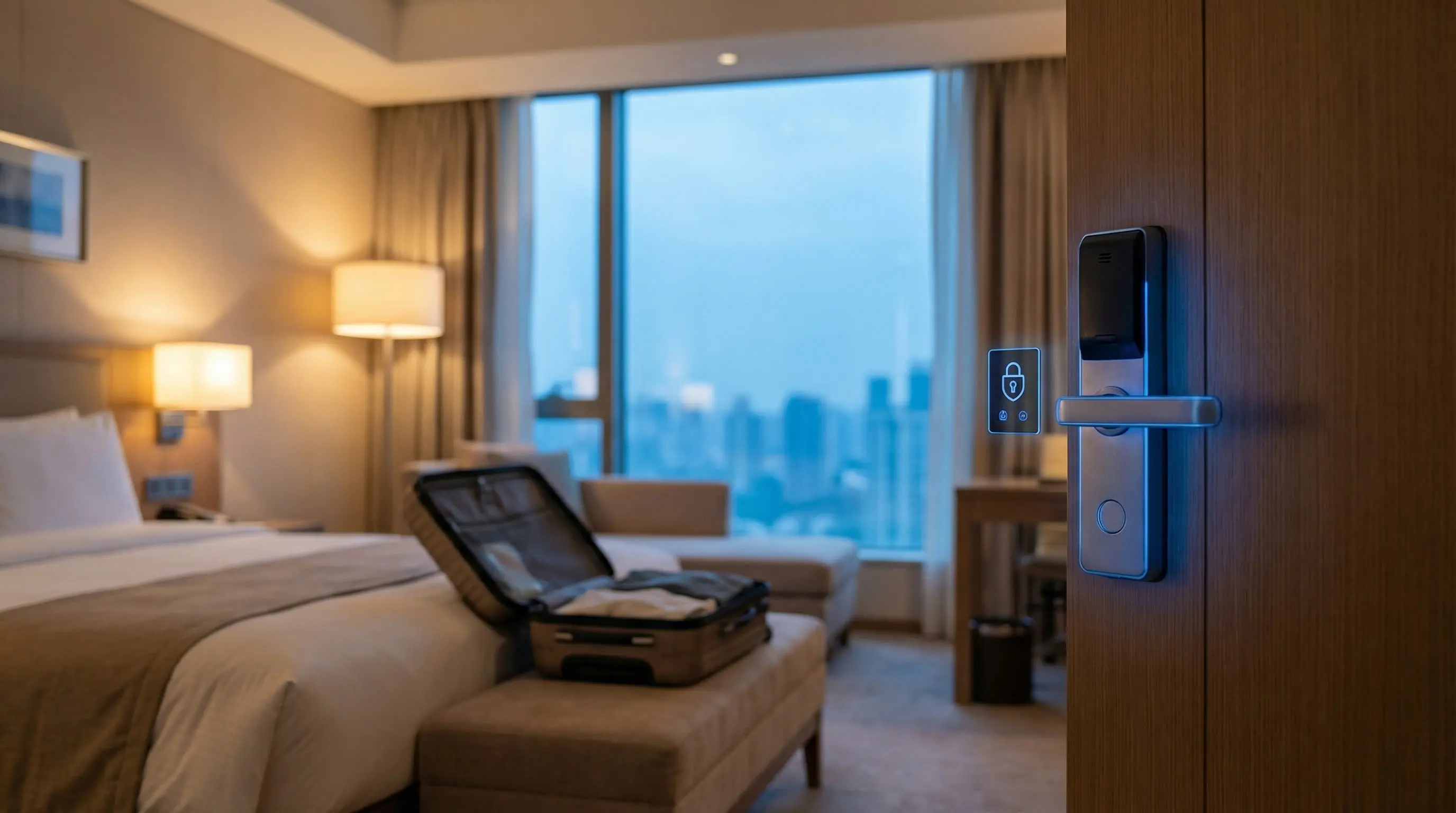
The definitive guide to securing your sanctuary during World Cup 2026. From booking verification to in-room defense.
Transparency: This guide contains affiliate links. We may earn a commission if you book through them, which helps fund our independent journalism.
Imagine arriving in Mexico City at midnight after a thrilling match, only to find your "luxury apartment" rental doesn't exist, or the key code you were sent is invalid. This isn't just an inconvenience—it's a critical security vulnerability.
With World Cup 2026 spanning three countries and sixteen host cities, the accommodation landscape is vast and complex. Millions of fans will be vying for limited rooms, creating a breeding ground for scammers and opportunistic criminals.
Fake Listings Risk
Target Audience
Host Countries
Security Level
During the 2014 World Cup in Brazil, there was a spike in "express kidnappings" originating from fake accommodation listings. In Russia 2018, the threat shifted to cybercrime and Wi-Fi spoofing in hotels.
For 2026, the risks are a hybrid: property theft and location safety in the USA, cartel-related violence in specific non-tourist zones in Mexico, and sophisticated digital rental fraud in Canada.
Security starts months before you pack your bags. The most critical decision you make is where you book and who you book with.
Don't just look at distance to the stadium. Use Google Maps Street View to "walk" the neighborhood virtually.
Not all hotels are created equal. A 5-star luxury resort might have lax access control, while a 3-star business hotel might be a fortress.
Vacation rentals offer space and kitchen amenities, but they lack the institutional security of hotels. You are essentially staying in a stranger's house.
Your security routine begins the moment you step onto the property. Do not let the relief of arrival dull your senses.
Do not let the door close behind you until you have checked the room. Use your luggage as a stop.
Look under the bed, in the closet, and behind the shower curtain. Ensure you are alone.
Verify the deadbolt works. Check that window locks function (especially on ground floors).
Wipe down high-touch surfaces and locate the emergency exit map.
Now, close the door and engage all locks, including the safety latch/chain.
Once you are settled, maintain a "defensive posture" for your room. It sounds intense, but it quickly becomes habit.
Don't rely solely on hotel locks. Master keys are widely available. We recommend carrying a Portable Door Lock or Door Stop Alarm.
When leaving your room for the evening match, leave the TV on at a moderate volume and keep a light on. This simple trick simulates presence and deters opportunistic entry.
Simple but effective strategy.
Scammers are creative. Be aware of these common accommodation-related frauds targeting World Cup fans.
The Scam: You get a call to your room phone late at night. "This is the front desk. There was an issue with your credit card. Please verify the number."
The Fix: Never give info over the phone. Hang up and go down to the desk in person.
The Scam: A flyer for pizza delivery is slid under your door. You call, order, and give your card number. The pizza never comes; the charge is fraudulent.
The Fix: Only order from established chains or restaurants you find yourself.