



The 2026 FIFA World Cup™ expands across the USA, Canada, and Mexico. Experience the architecture, atmosphere, and history of the venues defining the next era of football.
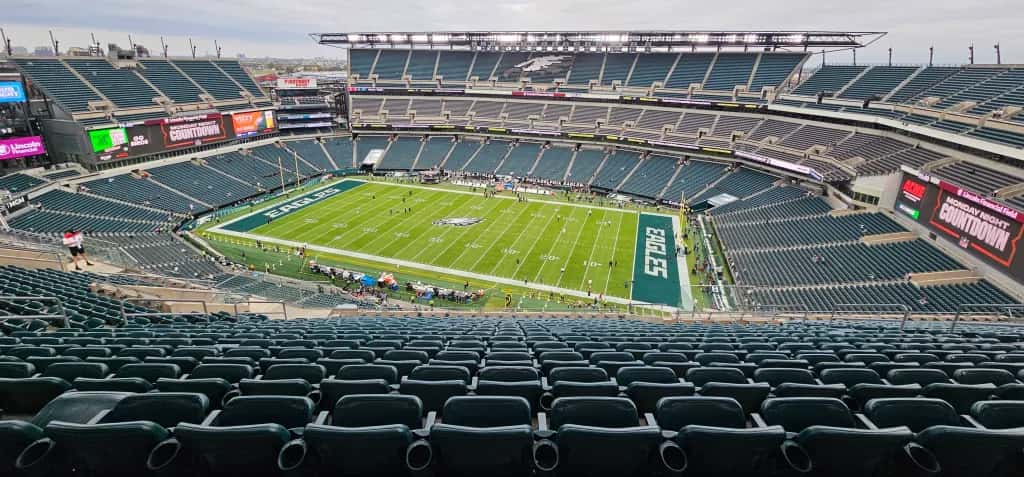
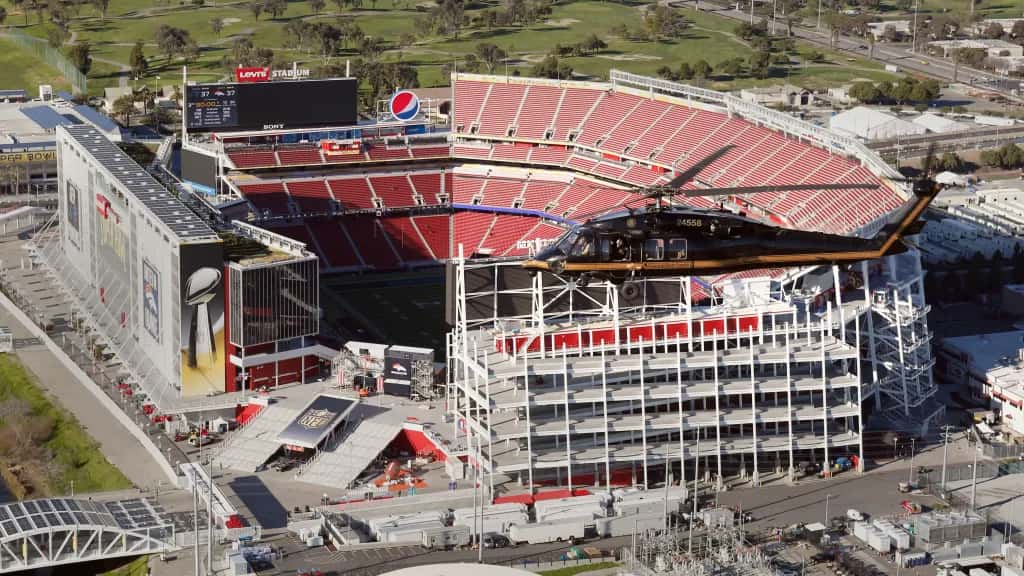
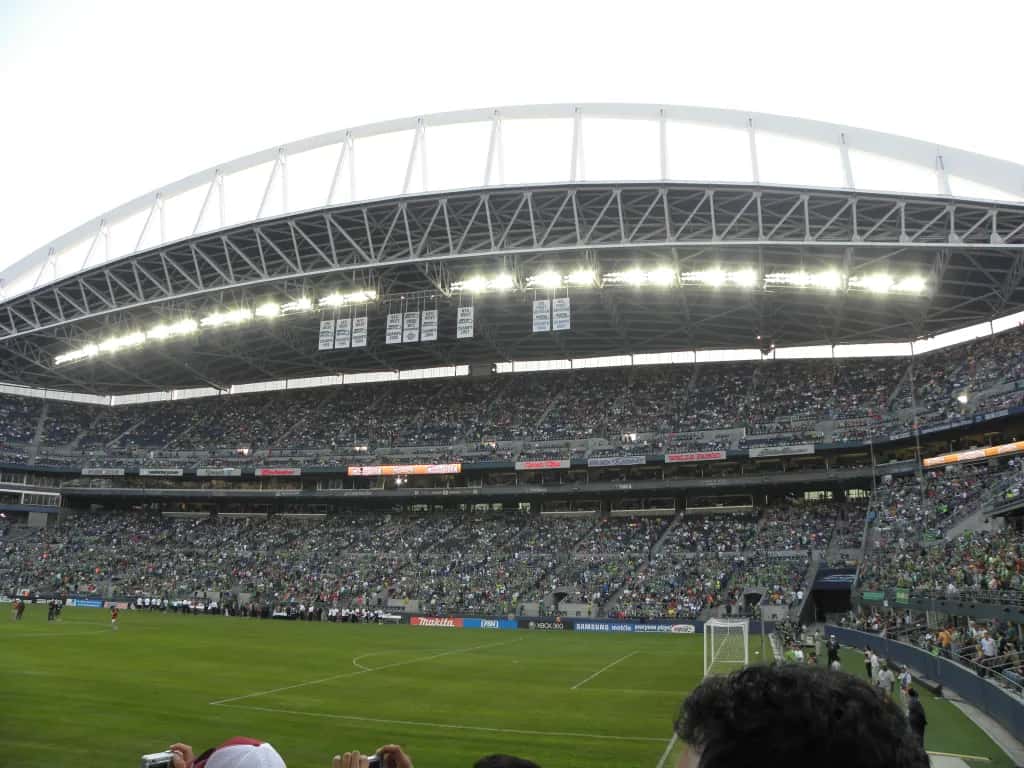
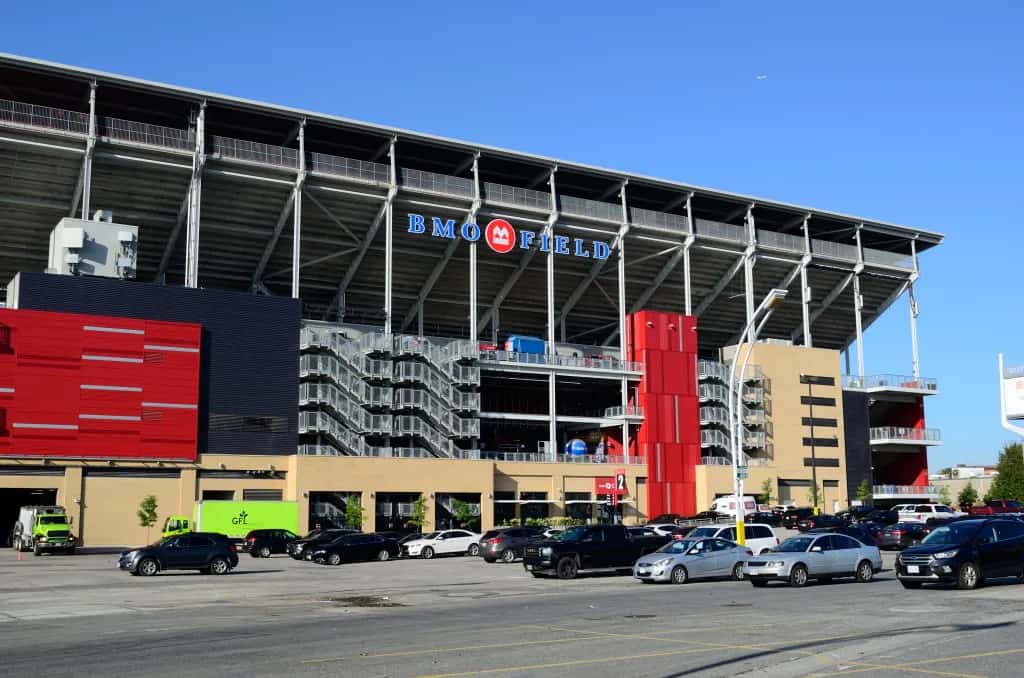
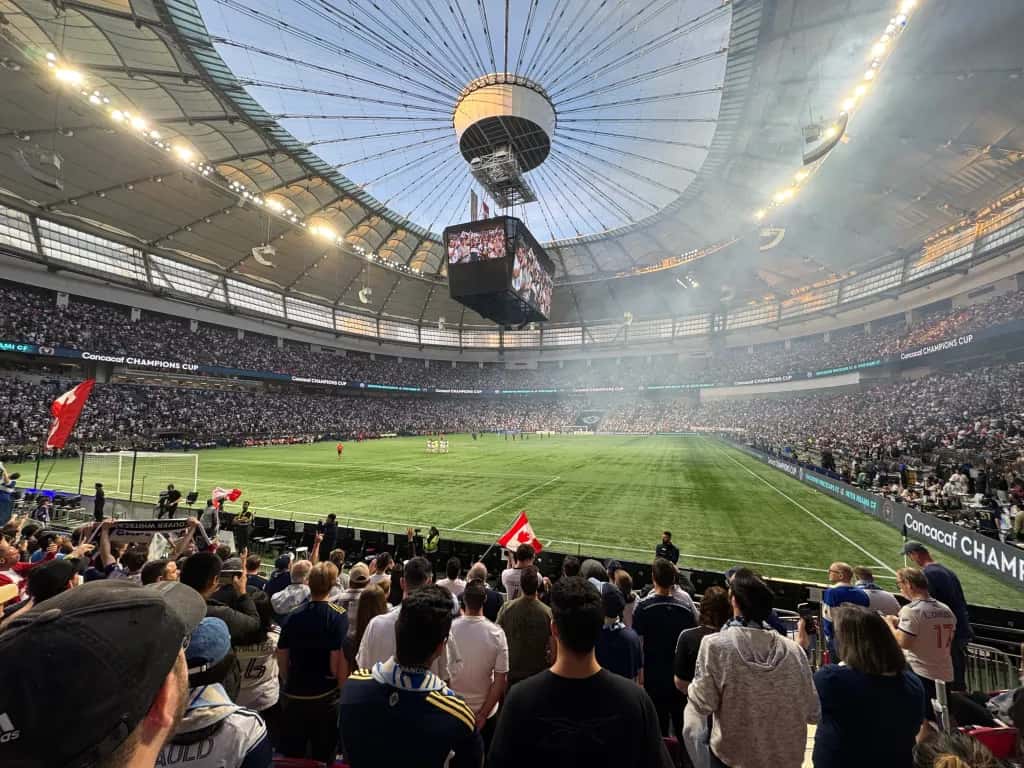
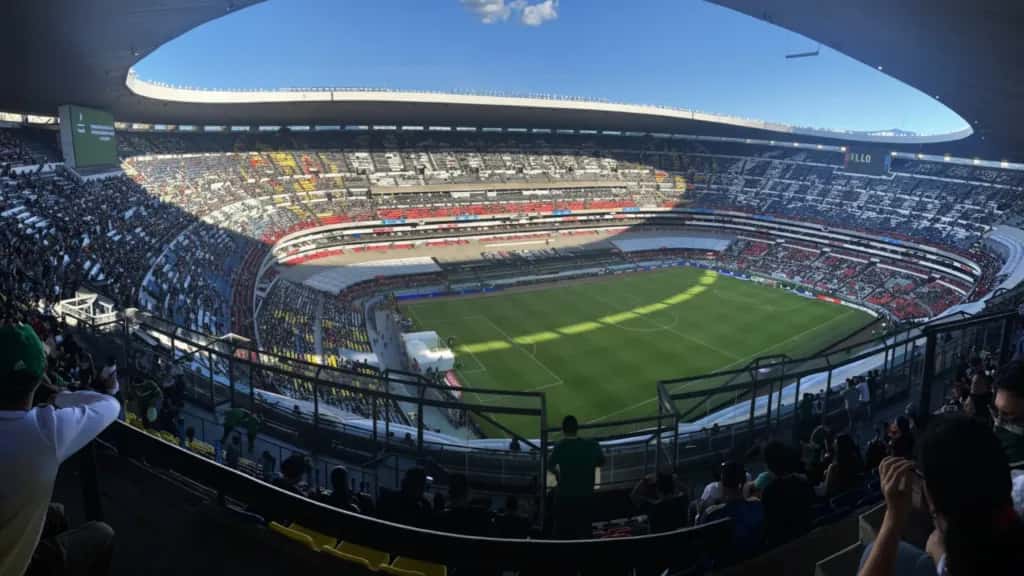
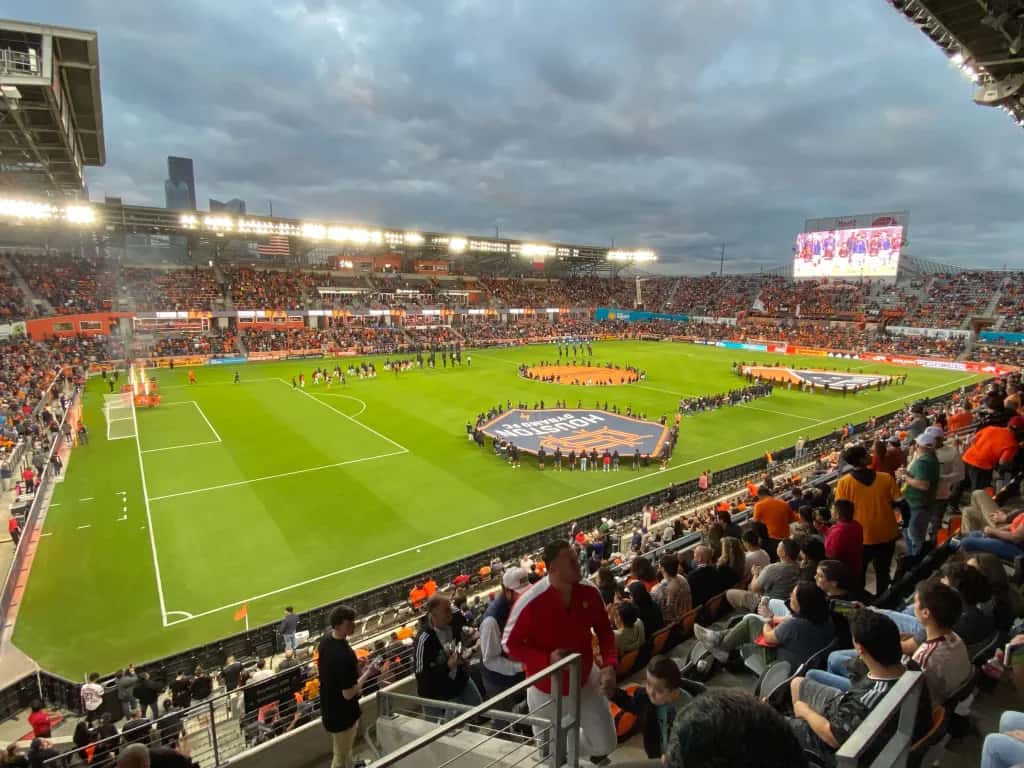
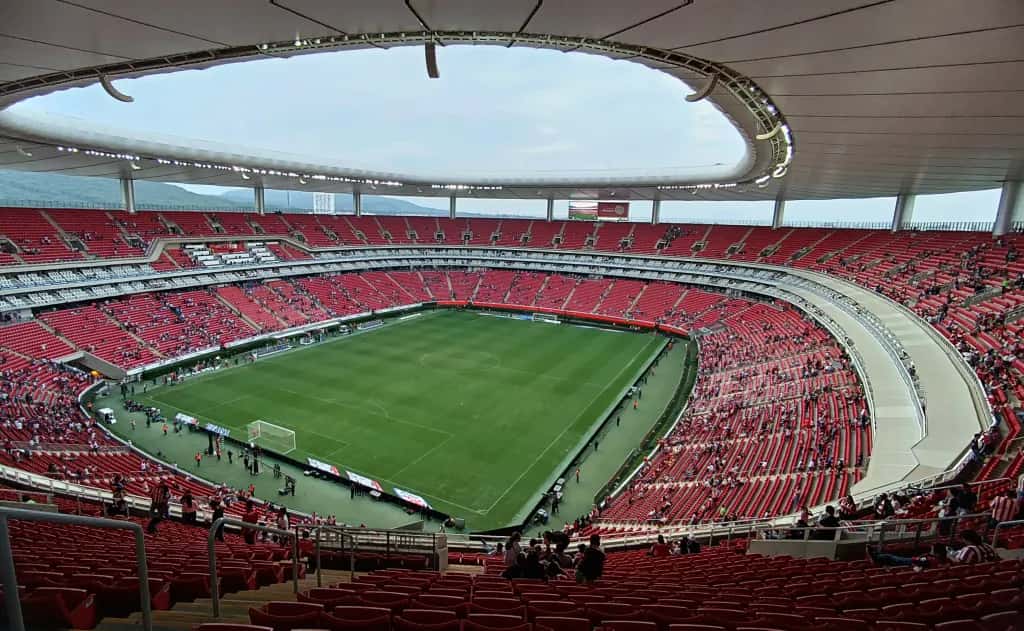
Explore the geography of the 16 world-class venues across North America.
Take our 30-second quiz to discover which World Cup venue matches your fan style.
Question 1 / 3
June 11, 2026
Estadio Azteca
Mexico City, Mexico
June 11 - June 27
All 16 Venues
72 Matches Total
July 19, 2026
MetLife Stadium
New York / New Jersey, USA
The 2026 FIFA World Cup will be a tournament of architectural wonders. Not only is it the first time three nations—the United States, Canada, and Mexico—will co-host the event, but it also marks the expansion of the tournament from 32 to 48 teams. This means 16 world-class venues will be under the global spotlight, each offering a unique stage for football history.
With 104 matches scheduled across 39 days, these stadiums have been selected for their state-of-the-art facilities and massive capacities. From the historic Estadio Azteca in Mexico City, which will become the first stadium to host three World Cup openers, to the multi-billion dollar SoFi Stadium in Los Angeles, every venue tells a story of innovation. These aren't just stadiums; they are the cathedrals of modern sport.
The tournament venues have been clustered into regional pods to minimize travel for teams and fans during the group stages. Each stadium will undergo rigorous FIFA standardizations, including the installation of natural grass pitches in venues that typically use turf. As the tournament builds toward the grand finale at MetLife Stadium, these 16 stages will define the legacy of the 2026 World Cup.
Compare capacity, roof types, and surfaces at a glance.
| Stadium | Host City | Capacity | Roof Type | Playing Surface |
|---|---|---|---|---|
| Estadio Azteca | Mexico City | 83,264 | Partial | Grass |
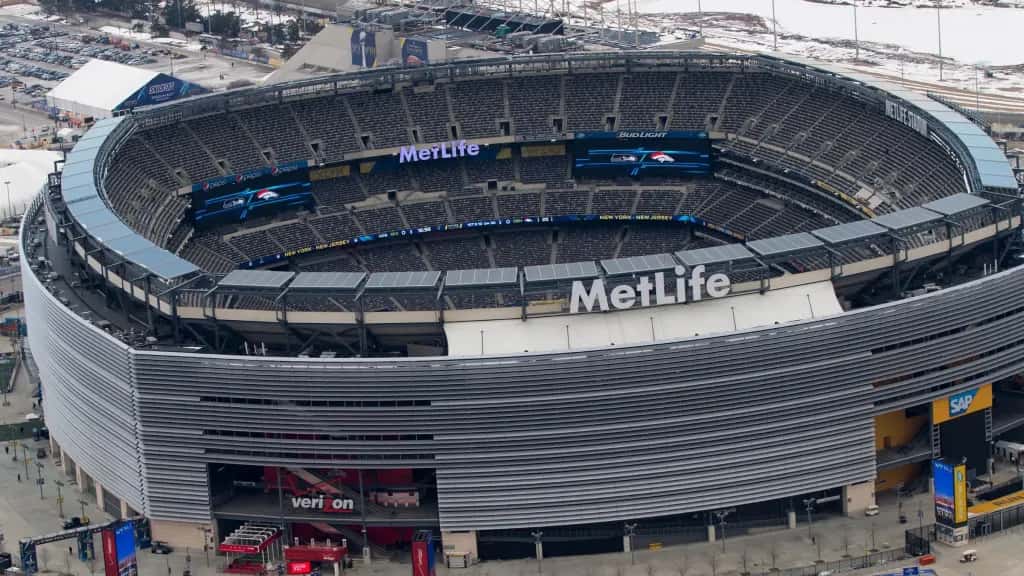
| MetLife Stadium | New York/NJ | 82,500 | Open | Turf* |
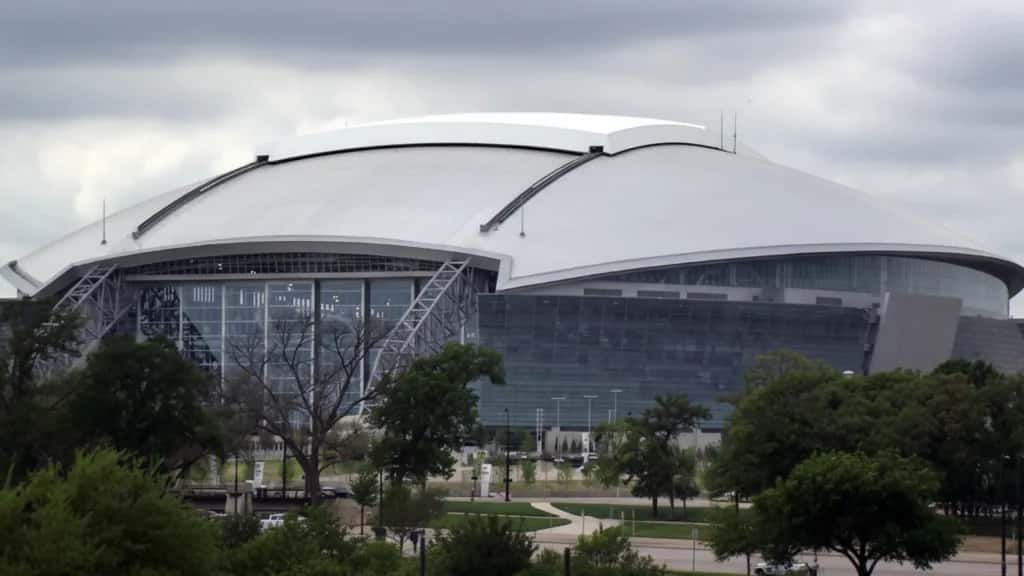
| AT&T Stadium | Dallas | 80,000+ | Retractable | Turf* |
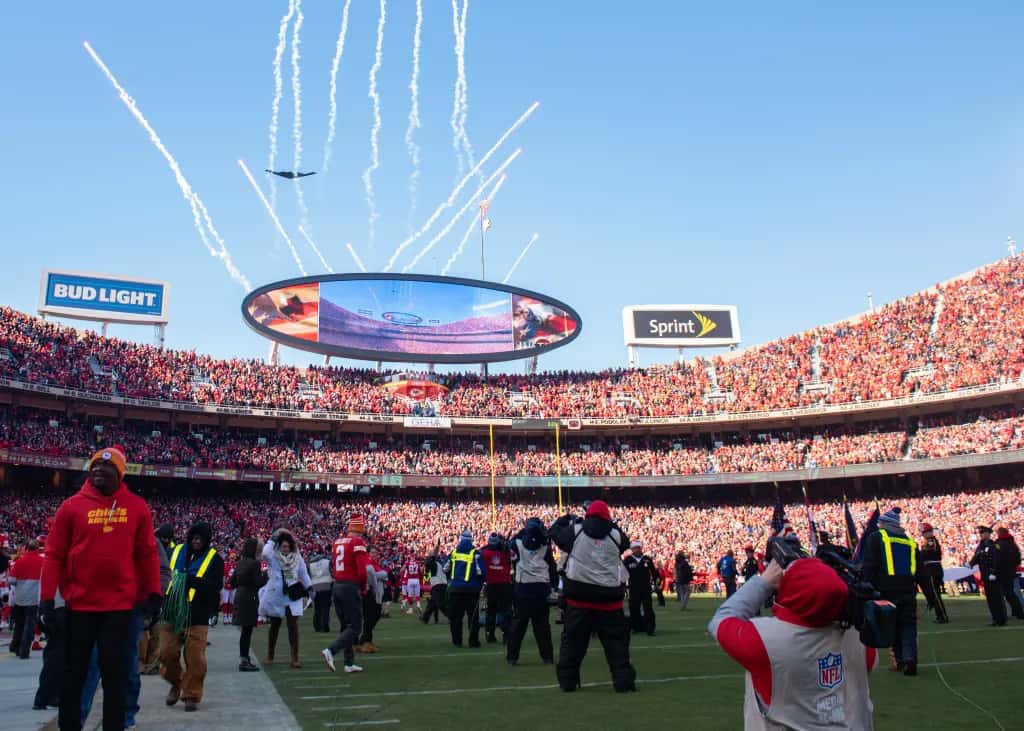
| Arrowhead Stadium | Kansas City | 76,416 | Open | Grass |
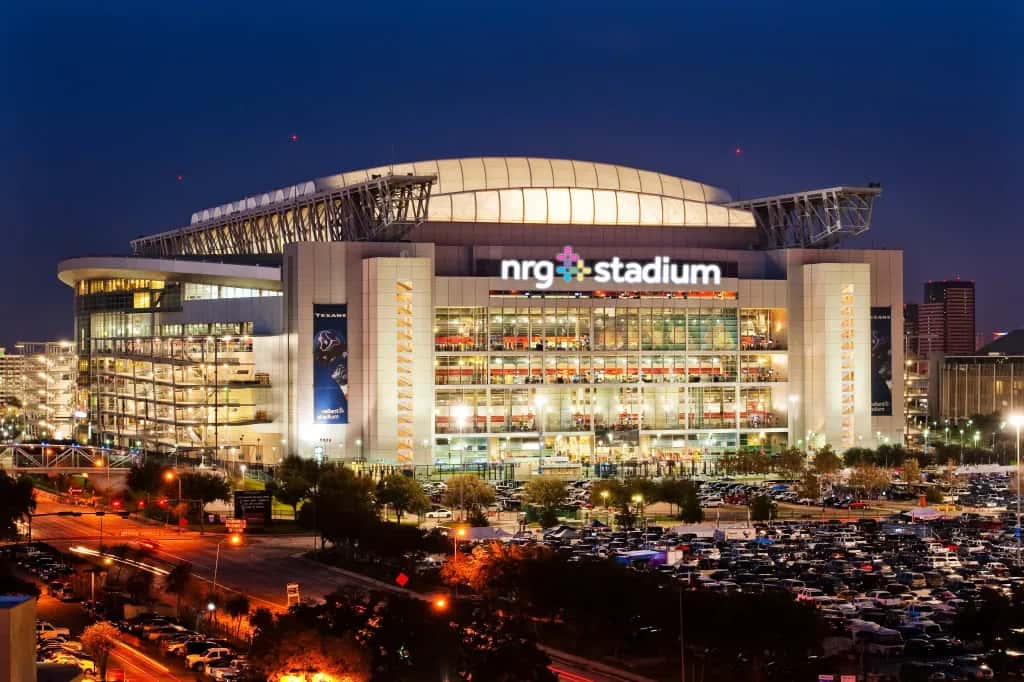
| NRG Stadium | Houston | 72,220 | Retractable | Turf* |
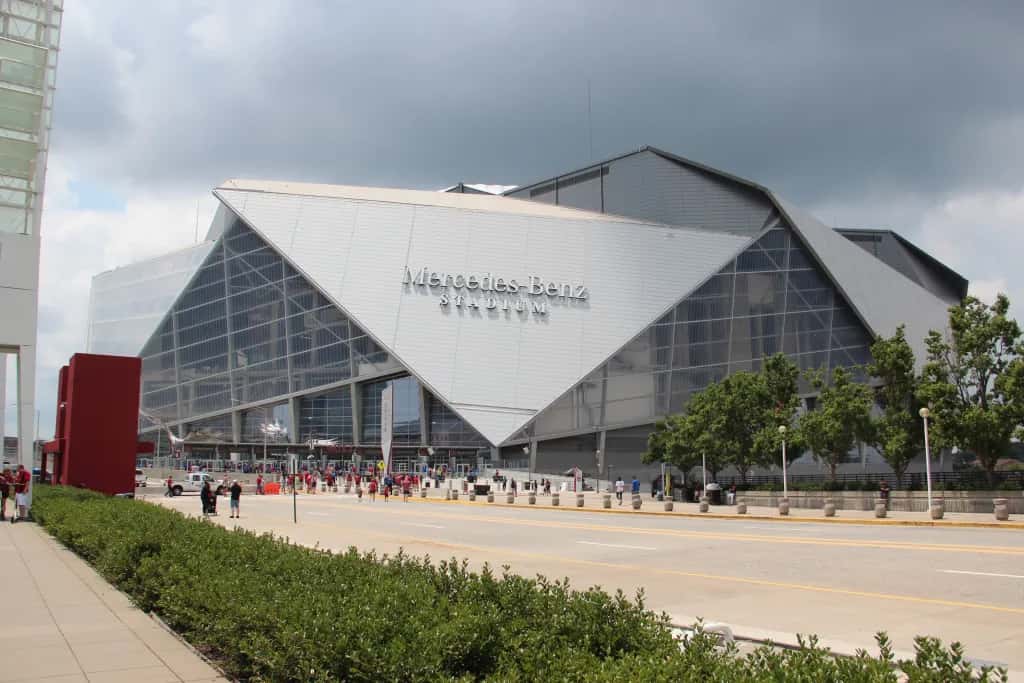
| Mercedes-Benz Stadium | Atlanta | 71,000 | Retractable | Turf* |
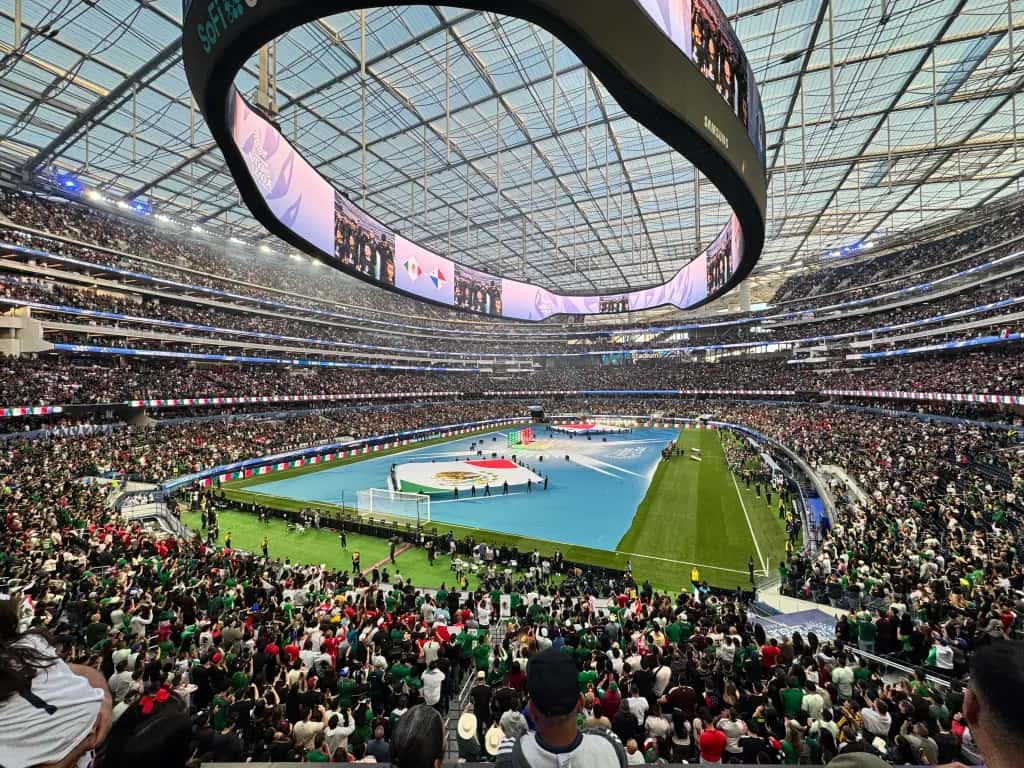
| SoFi Stadium | Los Angeles | 70,240 | Fixed/Open | Turf* |
| Lincoln Financial Field | Philadelphia | 69,796 | Open | Grass |
| Lumen Field | Seattle | 69,000 | Partial | Turf* |
| Levi's Stadium | San Francisco | 68,500 | Open | Grass |
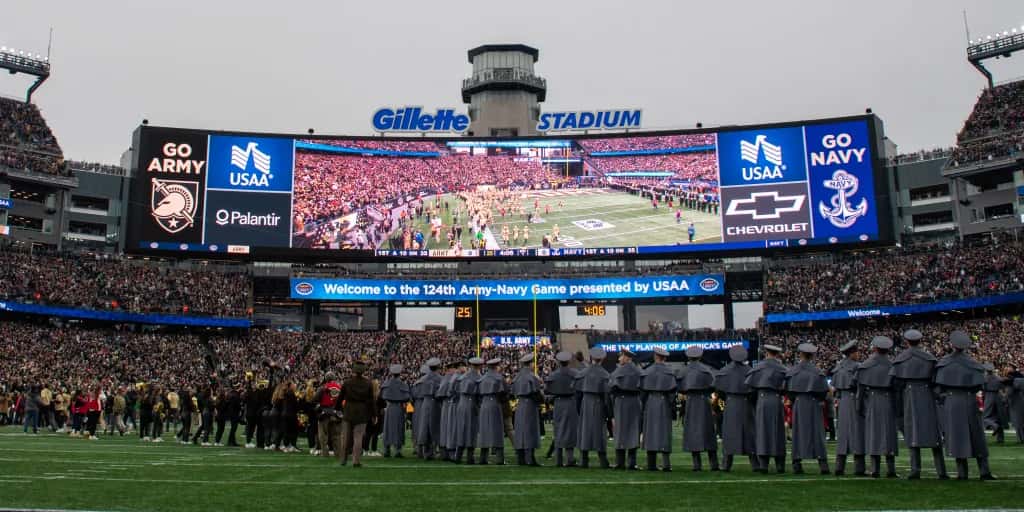
| Gillette Stadium | Boston | 65,878 | Open | Turf* |
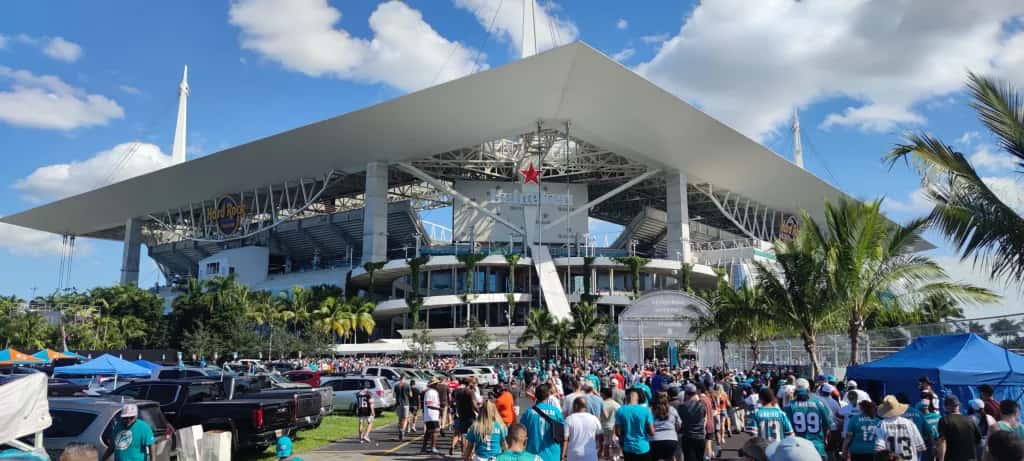
| Hard Rock Stadium | Miami | 64,767 | Canopy | Grass |
| BC Place | Vancouver | 54,500 | Retractable | Turf* |
| Estadio BBVA | Monterrey | 51,000 | Partial | Grass |
| Estadio Akron | Guadalajara | 48,071 | Partial | Grass |
| BMO Field | Toronto | 45,736 | Partial | Hybrid |
* Stadiums with artificial turf will install temporary natural grass pitches for the World Cup.
Estadio Azteca in Mexico City currently has the highest official capacity at 83,264, though MetLife Stadium (82,500) and AT&T Stadium (expandable to 100,000) are close contenders for match-day capacity.
The 2026 World Cup Final will be held at MetLife Stadium in New York/New Jersey on July 19, 2026.
Five stadiums have retractable roofs: Mercedes-Benz Stadium (Atlanta), AT&T Stadium (Dallas), NRG Stadium (Houston), BC Place (Vancouver), and the fixed-roof SoFi Stadium (LA) which has open sides.
Yes, stadiums in hot climates like Dallas, Houston, and Atlanta are fully climate-controlled. Others like SoFi Stadium use passive cooling architecture.
Estadio Azteca is the only venue that has hosted World Cup matches before (1970 and 1986). All other 15 stadiums are hosting men's World Cup matches for the first time.
BMO Field in Toronto is the smallest, with a planned temporary expansion to reach the FIFA minimum requirement of around 45,000 seats.
FIFA requires all matches to be played on natural grass. Stadiums with artificial turf (like Atlanta, Seattle, Vancouver, Gillette, MetLife, etc.) will install temporary natural grass pitches for the tournament.
Tickets are sold through FIFA's official portal, usually starting in 2025. You will be able to apply for matches by venue or team.
Yes, most stadiums offer guided tours year-round. These may be suspended or modified immediately before and during the tournament for security and preparation.
Generally, lower midfield sections offer the best views of the action, while club levels offer the best amenities. Upper decks in massive stadiums like AT&T or MetLife still offer great panoramic views.
Yes, all 16 venues are ADA compliant (or local equivalent) and offer dedicated accessible seating, elevators, and services for fans with disabilities.
Arrowhead Stadium (Kansas City) and Lumen Field (Seattle) are world-renowned for their noise levels. Estadio Azteca offers a historic, passionate intensity that is unmatched.
Venues will feature a mix of standard stadium fare and local culinary specialties (e.g., BBQ in Kansas City/Dallas, Tacos in Mexico, Seafood in Seattle/Boston).
For World Cup matches, security is tighter than regular league games. It is recommended to arrive 3-4 hours before kickoff to enjoy the Fan Zones and enter comfortably.
Estadio Azteca sits at approx. 7,200 feet (2,200 meters) above sea level, which can affect players' stamina and ball flight.
Yes, every host city will have an official FIFA Fan Festival, often located in central areas or near the stadiums, featuring large screens and entertainment.
FIFA implements rigorous security protocols at all venues. Expect multiple checkpoints, bag searches, and clear bag policies similar to other major international sporting events.
Generally, outside food and beverages are not permitted inside World Cup stadiums. However, exceptions are often made for medical reasons or infant supplies.