



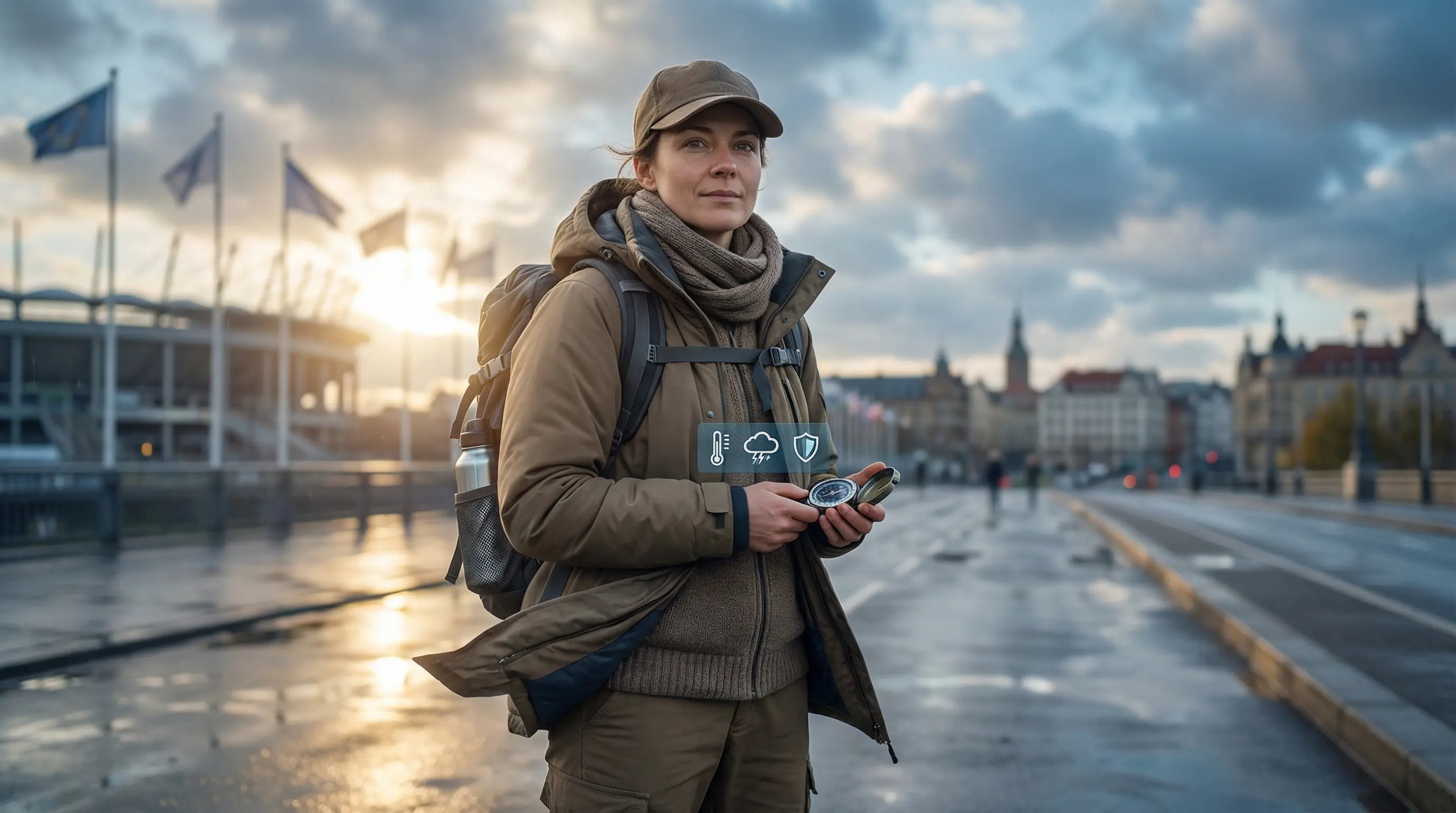
From scorching heat to high altitude. How to stay safe and comfortable in every host city.
Note: Weather is unpredictable. Always check local forecasts daily. The following are historical averages and general risks for June/July.
The number one health risk for World Cup 2026 fans isn't crime—it's the sun. Host cities like Dallas, Houston, and Miami will be punishingly hot.
Dallas Avg High
Miami Humidity
UV Index
Mexico City (Estadio Azteca) sits at 2,240 meters (7,350 ft).
Guadalajara (Estadio Akron) is at 1,566 meters (5,100 ft).
Altitude sickness is real. Symptoms include headache, nausea, and shortness of breath. Alcohol hits you harder at altitude—one beer equals two.
June marks the start of the Atlantic Hurricane Season. Cities like Miami, Houston, Philadelphia, New York, and Boston can be affected.
| Region | Primary Risk | Action |
|---|---|---|
| Southeast (Miami, Atlanta) | Hurricanes / Tropical Storms | Monitor NHC. Be ready to evacuate. |
| Northeast (NY, Philly, Boston) | Severe Thunderstorms | Seek shelter indoors. Avoid trees. |
| Midwest (KC, Dallas) | Tornadoes / Hail | Listen for sirens. Go to basement/interior room. |
| Pacific NW (Seattle, Vancouver) | Rain | Bring a poncho. Umbrellas often banned in stadiums. |
In recent years, wildfires in Western Canada and the US have caused poor air quality across the continent in summer. If the AQI (Air Quality Index) is over 150, sensitive groups should wear N95 masks outdoors.
Be prepared, stay hydrated, and enjoy the World Cup safely, rain or shine.