



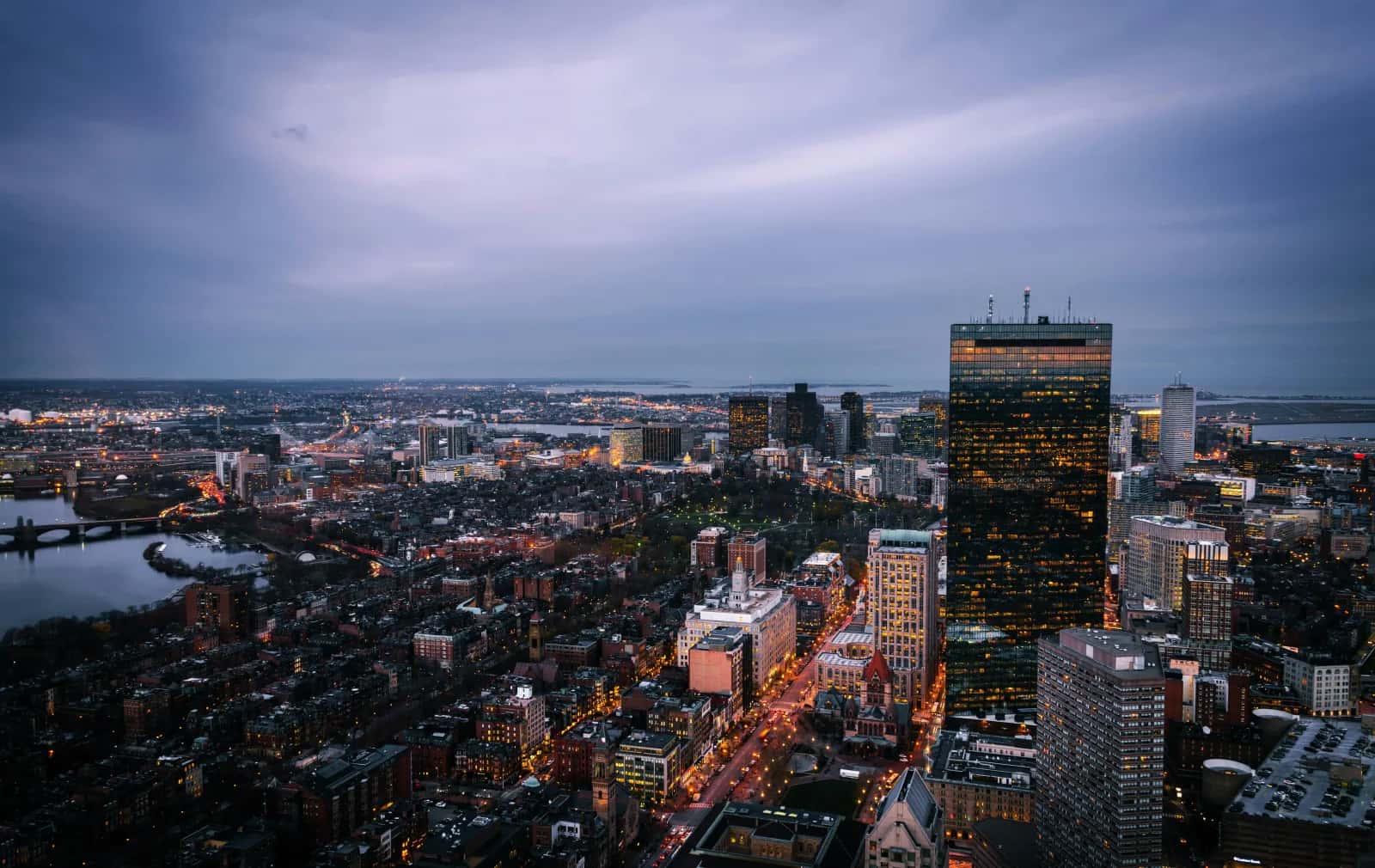
I’ve lived here long enough to remember when the Big Dig was still a punchline. Use this Boston World Cup 2026 guide to eat well, move fast, and actually enjoy match day.
Transparency: This guide contains affiliate links. We may earn a commission if you book through them, which helps fund our independent journalism.
Boston is a small city with big sports energy, and that’s exactly why it works for a World Cup trip. You can spend the morning on cobblestones and the evening in a stadium parking lot that feels like a traveling festival. Here’s the twist: your match is not downtown. It’s at Gillette Stadium in Foxborough, 29 miles (47 km) southwest of downtown Boston.
If you only remember one thing, make it this: Boston is your base camp; Foxborough is your match site. Build your trip like a two-city itinerary and you’ll have a stress-free tournament week. Pretend it’s “one place,” and you’ll spend half your vacation in traffic.
Back Bay, Downtown/Waterfront, Seaport, or Fenway. Easy transit, plenty of food, and late-night options (Boston-late, anyway).
Commuter Rail to Foxboro Station when available. It’s the cleanest way to dodge Route 1 chaos and post-match gridlock.
Boston is expensive. The hack is to pick one splurge neighborhood and pair it with smart transit, not more Ubers.
If your hotel doesn’t give you a clean transit path to South Station, you’re making match day harder than it needs to be. South Station is your hinge point: airport → city, city → commuter rail, commuter rail → Foxborough.
Back Bay + South End edge. Walkable, safe, and you can reach everywhere without thinking.
Seaport + Waterfront. Sunsets, patios, and an easy hop to the airport.
Quincy/Braintree on the Red Line. Less glamorous, more money left for match nights.
Boston is a patchwork of neighborhoods that feel like mini-cities. Choose your base by vibe and transit, not by whatever hotel looks prettiest on a map. Here’s the local read, including who each area is best for during World Cup 2026.
Classic Boston, brownstones, shopping, easy transit.
Best for: First-time visitors, couples, anyone who hates friction.
Where to stay: Near Copley or Prudential for walkability.
Where to eat/drink: Newbury Street for people-watching; Boylston for pre-game energy.
Local note: If you’re only choosing one neighborhood, choose this.
Tree-lined streets, brownstones, patios, and a deep restaurant bench.
Best for: Food-first travelers, couples, groups who want nights out without clubs.
Where to stay: South End edge near Back Bay for simple transit options.
Where to eat/drink: Small plates, cocktail bars, and the kind of dinners that turn into long nights.
Local note: Don’t confuse this with South Boston (“Southie”). Totally different vibe.
New-build Boston: wide sidewalks, harbor views, rooftop bars.
Best for: Nightlife, groups, easy Logan access.
Where to stay: Seaport for modern hotels; Fort Point for quieter nights.
Where to eat/drink: Seafood, patios, ‘start early’ nights.
Local note: Great for summer. Less “historic Boston,” more “global city.”
Freedom Trail access, government buildings, classic hotels.
Best for: History-heavy itineraries, short stays, families who walk.
Where to stay: Close to Boston Common or the Harbor for easy routes.
Where to eat/drink: Quincy Market for convenience (touristy), Chinatown for real meals.
Local note: Weeknights can feel quiet once office workers disappear.
Boston’s Little Italy: tight streets, strong opinions, better espresso.
Best for: Food lovers, late-night dessert runs.
Where to stay: Boutique stays exist, but space is tight and prices jump.
Where to eat/drink: Italian classics; cannoli debates you did not ask for.
Local note: Go early for dinner. Go late for dessert. Lines shrink.
Fenway Park energy spills into everything nearby.
Best for: Fans who want bars, crowds, and a loud walk home.
Where to stay: Great for quick access to the Green Line and Back Bay edge.
Where to eat/drink: Casual, pub-style, and ‘before/after’ places.
Local note: If you want a quiet morning, this isn’t your pick.
Cobblestones, harbor views, and a calmer pace than downtown.
Best for: Families, early risers, travelers who want a quieter base.
Where to stay: Navy Yard for water views; be mindful of limited late-night transit.
Where to eat/drink: Neighborhood pubs and waterfront spots, plus easy access to North End dinners.
Local note: Great for walking. Less great if you’re trying to be spontaneous at 1:30 AM.
Bookstores, cafes, smart-people conversations you can eavesdrop on.
Best for: Explorers, repeat visitors, and anyone who prefers neighborhoods to downtown.
Where to stay: Harvard/Kendall for transit; Davis for a local scene.
Where to eat/drink: Global food, bakeries, and a deeper bench than you expect.
Local note: Getting to South Station can be a little indirect—plan it.
Practical, less glamorous, and genuinely useful for saving money.
Best for: Budget travelers, longer stays, anyone who wants space and a calmer sleep.
Where to stay: Near Quincy Center or Braintree for easy Red Line access.
Where to eat/drink: Solid casual spots, plus quick access to Chinatown and downtown food.
Local note: Red Line goes to South Station, which makes match-day logistics simpler than it looks.
Build your trip around two anchors: where you’ll walk (the fun part) and how you’ll reach South Station (the practical part). If you can reach South Station without transfers you hate, match day becomes easy mode.
The best Boston World Cup itinerary is built around two rhythms: walk the city early, then commit to match day logistics like it’s a mini road trip. Here are the itineraries I’d give a friend flying in for a single match, and the one I’d do myself if I had 5 days.
Your goal is not to “make kickoff.” Your goal is to arrive calm, hydrated, and fed. Treat it like an event day with buffers, not like a normal commute.
Use Boston as your base, then treat each match as its own “event day.” On the non-match days, you’ll see the city at its best: early mornings, long walks, short transit hops, and meals you’ll talk about for years.
This is the schedule buffer I use for any Gillette event when I care about being calm, not frantic.
Easy train access, walkable center, and a lot of atmosphere. Go early and you’ll beat the crowds.
Ocean air, seafood, and a break from the city. Feels like New England on purpose.
If you want the origin-story version of the U.S., this is the cleanest day trip.
Many travelers can enter the U.S. on ESTA via the Visa Waiver Program; others need a B-2 tourist visa. The paperwork is the boring part, but it’s the part that can break your trip if you ignore it. Apply early.
Check ESTA EligibilityPick your base (Back Bay / Seaport / Downtown). Start hotel tracking immediately—Boston is a premium-rate city in summer.
Lock flights into BOS and decide if you’re doing multiple host cities (NYC and Philly pair perfectly with Boston).
Sort tickets and build a matchday plan that does not rely on last-minute rideshares.
Reserve your ‘must-eat’ spots (North End, seafood, and one splurge meal). Buy a stadium-compliant clear bag now, not at the gate.
$150–$250
Transit + casual food + one paid activity. Works best outside match days.
$250–$450
A nicer hotel zone, one sit-down dinner, and room for drinks.
$500+
Seaport luxury, driver service, and premium dining stack quickly.

Gillette Stadium, home of the New England Revolution and Patriots.
Located in Foxborough, Gillette Stadium is a modern, open-air venue surrounded by Patriot Place, an entertainment district that makes match days feel bigger than just 90 minutes of football. The catch is geography: it’s 29 miles (47 km) southwest of downtown Boston. That distance is fine when you plan it—and a nightmare when you don’t.
Getting There: Check MBTA’s Gillette Stadium page for special event trains and fares, and Gillette’s own transportation pages for the latest parking and rideshare pickup rules.
Make South Station your anchor. Buy Commuter Rail tickets in advance and activate right before boarding. Assume you’ll want a buffer.
Gillette enforces a strict clear bag policy. If your bag is too big, you’ll lose time (and patience) at entry.
Decide your post-match plan before kickoff. If you’re on a train, be ready to move when the crowd moves.
The safest way to buy tickets is through the official FIFA portal. Registration typically opens 12-18 months before the tournament.
FIFA Official SiteMissed the draw? Trusted resale platforms offer verified tickets, though prices can rise sharply for knockout matches. Use buyer protection and avoid off-platform payment requests.
Check StubHubBoston hotels are among the most expensive in the U.S., and match-week demand will push rates higher. The winning move is to pick a neighborhood you’ll actually enjoy between matches, then build a reliable route to South Station for stadium days. Foxborough hotels are convenient for the stadium, but you’ll sacrifice the city.

Walk to South Station to Stadium

Back Bay / South End to Stadium

Copley Sq / Back Bay to Stadium
Boston’s subway is old, imperfect, and still the fastest way to get across the core when traffic is ugly. The Red, Green, Orange, and Blue lines do the heavy lifting.
BOS is extremely close to downtown for a major U.S. airport. The SL1 bus from Logan to South Station is one of Boston’s best value moves, and it sets you up perfectly for commuter rail connections.
Driving in Boston is an art form and most visitors don’t have the brush. Parking is expensive, streets are oddly shaped, and you’ll lose time. Consider a rental car only if you’re doing day trips or you want full control for Foxborough.
If you land at Logan and your hotel is anywhere near Downtown, Back Bay, Seaport, or the subway lines, start with the SL1 to South Station. It’s simple, luggage-friendly, and doesn’t require a “Boston driving” personality.
When time is tight, don’t do cute detours. Get to South Station, get on the right train, and save your wandering for the next morning.
Boston eats better than people expect, and it’s not just lobster rolls. The best food plan is simple: one classic seafood moment, one North End night, one “this is why I love living here” neighborhood meal that isn’t aimed at tourists.
Yes, you should try chowder and a lobster roll. The local move is to do it once, do it properly, then move on to everything else Boston does well.
Dinner in the North End is a ritual. If you hate lines, eat early and walk late. And yes, people really argue about cannoli.
New England IPAs are the home soundtrack. Trillium and Harpoon are the easy answers; smaller spots fill in the gaps.
Boston is a walking city. You can cover 400 years of history in a single afternoon, then still have energy for a sunset by the harbor. My advice: pick two anchor attractions per day and let the rest happen naturally.
A 2.5-mile red-lined route leading to 16 historically significant sites. Start at Boston Common.
The oldest ballpark in MLB. Even if there's no game, the tour is a pilgrimage for sports fans.
The modern face of Boston. Rooftop bars, ICA museum, and harbor views.
Boston is generally safe for visitors, especially in the central neighborhoods you’ll likely stay in. Your most common “danger” is honestly the street layout and impatient drivers. Cross like a local: alert, quick, and not glued to your phone.
Bostonians are direct. Not rude, not warm-and-fuzzy—just direct. If someone sounds sharp, it’s often efficiency, not hostility. Sports loyalty is real. And yes, “wicked” means “very,” as in “that goal was wicked good.”
Wicked = very. Packie = liquor store. Rotary = roundabout. If you nail ‘packie,’ you’ll sound like you live here.
Boston rewards walking. The fastest route is often the one you can do on foot.
Bars close at 2 AM. Transit winds down earlier. Start your night earlier than you’re used to.
Expect warm, sometimes humid days and cooler nights near the water. The sneaky factor is rain: it can flip quickly, and Gillette is exposed.