



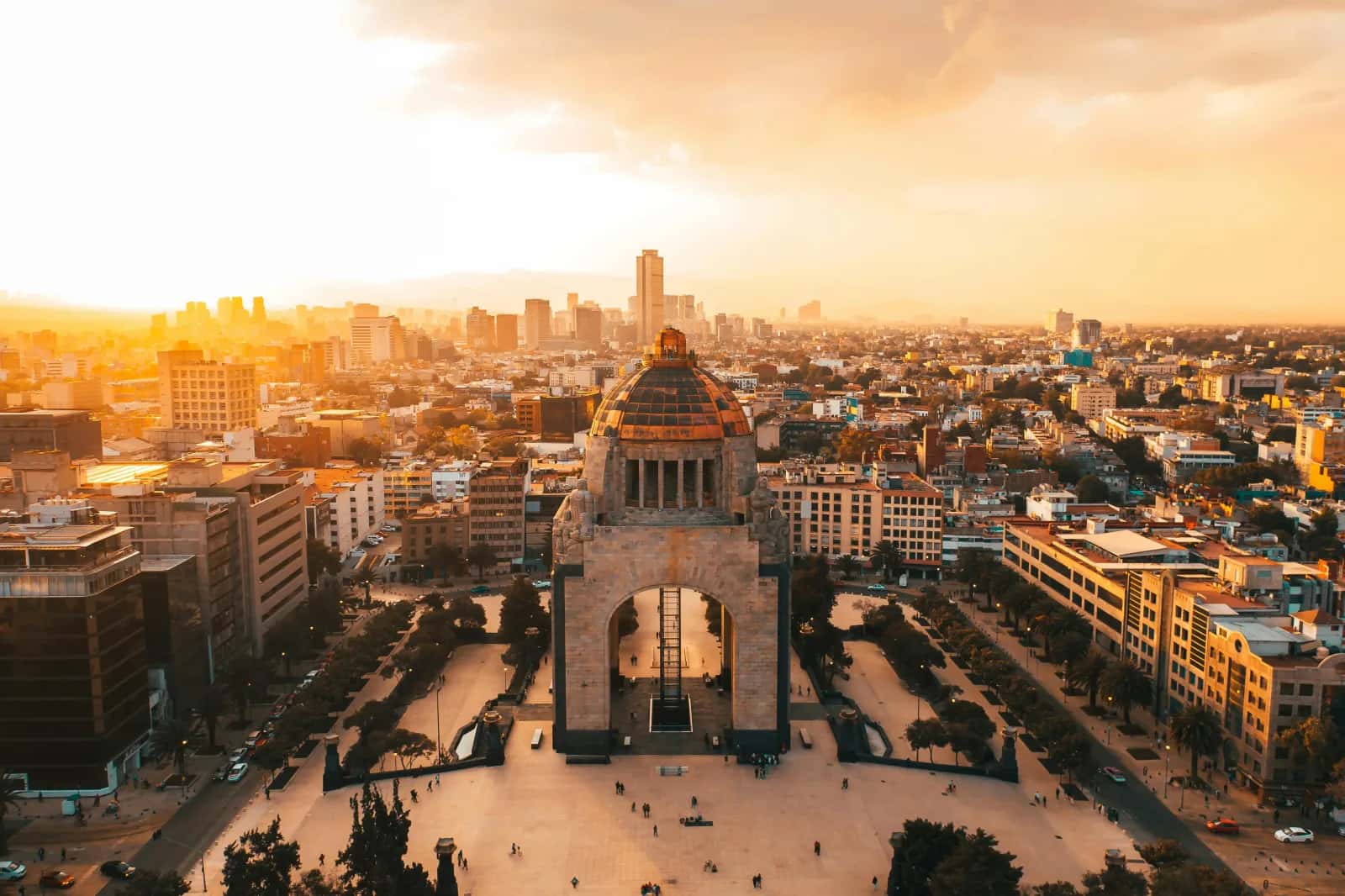
Match-day logistics for Estadio Azteca, neighborhood picks, safety, budgets, and the little local moves that make CDMX feel easy.
Transparency: This guide contains affiliate links. We may earn a commission if you book through them, which helps fund our independent journalism.
I’ve lived in Mexico City long enough to remember when “meet me at El Ángel” didn’t automatically mean “and bring patience for traffic.” For World Cup 2026, the city is going to be loud, proud, and wonderfully overwhelming—especially around the opening match at Estadio Azteca. The good news: if you plan like a local (transit first, neighborhood second, timing always), CDMX is one of the easiest host cities to enjoy.
Roma/Condesa for first-timers, Polanco for luxury, Juárez/Reforma for central convenience, Coyoacán for a calmer, historic vibe.
On big nights, the fastest way to Azteca often looks “old school”: Metro + Tren Ligero beats a car stuck on Tlalpan.
CDMX can be a bargain or a splurge. Match weeks will spike prices, so lock hotels and flights early—then eat like a king for 30 pesos.
Mexico’s entry rules depend on your passport. Many travelers can enter as tourists without a visa, but the details (length of stay, any online forms, and airline checks) vary. For World Cup planning, treat this as step zero: confirm requirements before you book non-refundable flights.
Verify Entry Rules (INM)Book flights. CDMX is a major hub, but prices will rise for the Opener. Secure accommodation in Roma or Condesa early.
Book reservations for top restaurants like Pujol or Quintonil. They book out months in advance.
Download offline maps. Check vaccine requirements. Learn basic Spanish phrases.
In CDMX, your neighborhood is your trip. Pick the wrong base and you’ll spend half your World Cup in traffic. Pick the right one and the city opens up: morning coffee on a leafy street, tacos at midnight, and a match-day plan that actually works.
Walkable, stylish, and the easiest “first CDMX” experience.
Upscale, polished, and very comfortable—especially for families.
Central, convenient, and hotel-heavy in a good way.
Jaw-dropping history by day, complicated edges by night.
Cobblestones, courtyards, and a calmer rhythm.
Local residential with great value and strong food pockets.
Match-day intensity, otherwise residential.
Modern business district, car-first.
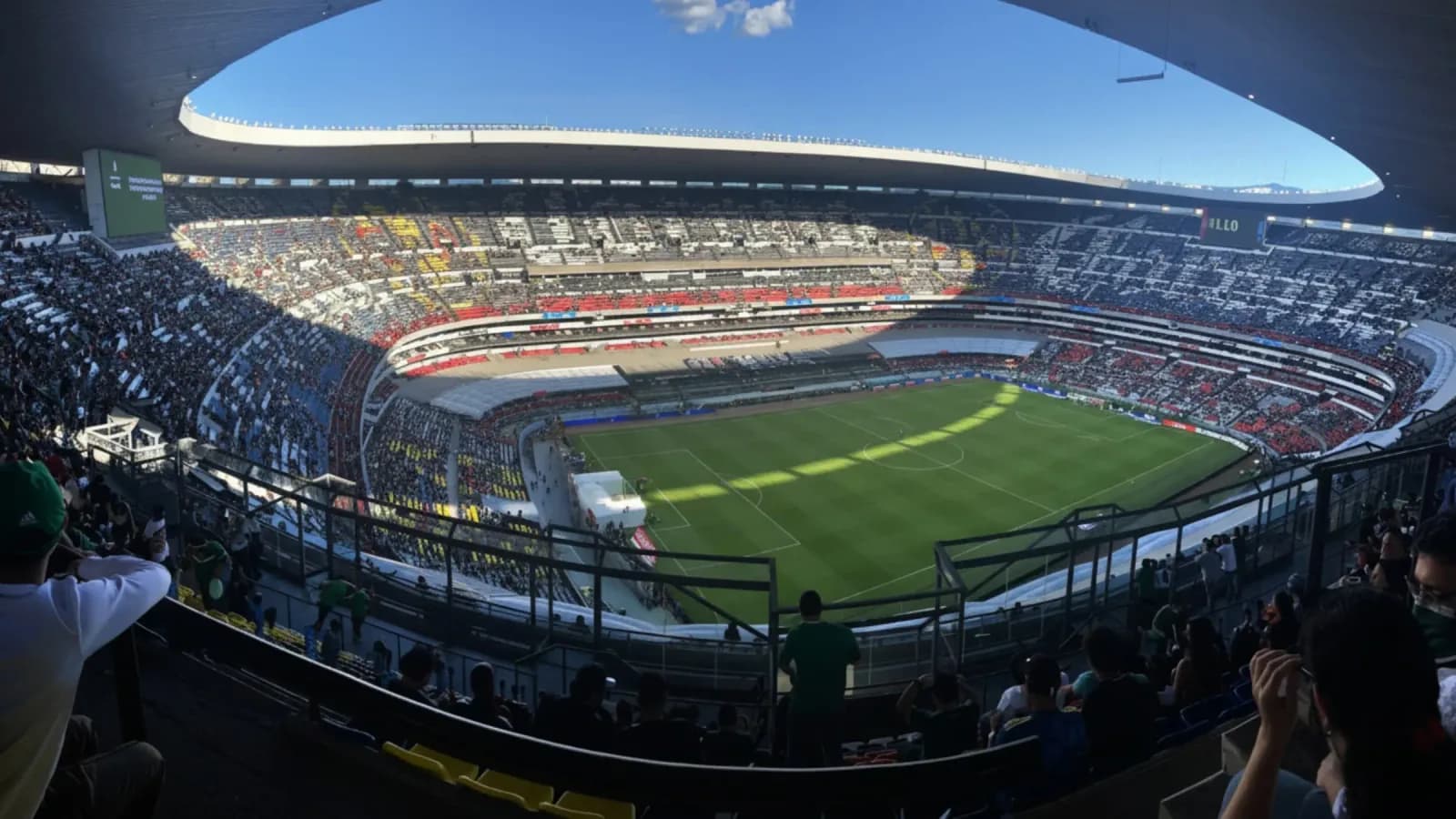
The legendary 'Colossus of Saint Ursula', home to two World Cup finals.
Estadio Azteca is hallowed ground. It is the only stadium to host two FIFA World Cup Finals (Pelé in 1970, Maradona in 1986). Known as the "Colossus of Saint Ursula," it is undergoing massive renovations for 2026 to modernize its facilities while keeping its intimidating atmosphere.
FIFA’s tournament materials list five World Cup 2026 matches here, including the opener on June 11, 2026. FIFA fixtures
For entrances, seating feel, and the “what do I actually do when I get there” details, use the dedicated stadium deep dive: Estadio Azteca World Cup 2026 guide.
Be there for the historic first match of World Cup 2026 at Estadio Azteca.
Take the Metro (Line 2) to Tasqueña, then transfer to the Light Rail. Allow 90+ mins from Centro.
The altitude is real. Drink water constantly. Alcohol hits harder here.
Leaving is chaotic. Walk a few blocks away from the stadium to catch an Uber, or wait out the crowd.
Demand for the Opening Match will be unprecedented. Register on FIFA.com immediately.
FIFA Official SiteVerified resale is the only safe alternative. Avoid street scalpers ("revendedores") at all costs—fake tickets are common.
Check StubHubCDMX is huge. Your neighborhood defines your experience. Polanco is upscale and safe. Roma/Condesa are walkable and trendy. Reforma is central. Centro is historic but crowded.

Polanco Area to Stadium
Condesa to Stadium
Centro Historico to Stadium
Main international hub. Located in the city, but traffic to Roma/Polanco can take 60+ mins. Authorized taxis or Uber are best.
Cheap and efficient. Take Line 2 to Tasqueña, then the Light Rail to Estadio Azteca. Avoid at night.
Safe, reliable, and cheap by international standards. The best way to get around at night.
Avoid hailing pink/white taxis on the street. Use authorized "Sitio" stands or apps like Uber/Didi.
The king of CDMX street food. Try El Huequito or El Tizoncito for the authentic spit-roasted pork experience.
El Moro is an institution. Get them fresh with hot chocolate. Open 24/7 in some locations.
Pujol and Quintonil are world-famous. Reservations required months in advance. Amazing mole.
Between matches, CDMX offers some of the best cultural experiences in the world.
Massive Aztec pyramids about an hour outside the city. Go early (8 AM) to beat the heat and crowds.
World-class museum in Chapultepec Park. Contains the Aztec Sun Stone. You could spend days here.
Mexican wrestling at Arena Mexico. High energy, masks, and great fun. Tuesdays and Fridays.
Roma, Condesa, Polanco, and Reforma are generally safe for tourists. Centro is fine during the day but can be sketchy at night.
Mexicans are incredibly warm and hospitable. A little effort with Spanish goes a long way.
10-15% is standard in restaurants. Leave small change for street vendors.
The main meal is eaten between 2 PM and 4 PM. Restaurants will be packed.
A handshake or a light hug/kiss on the cheek is common. Say 'Buenos días' or 'Buenas tardes'.
Rainy season. Sunny mornings, heavy rainstorms in late afternoon (5-7 PM). Mild temps (75F/24C).