



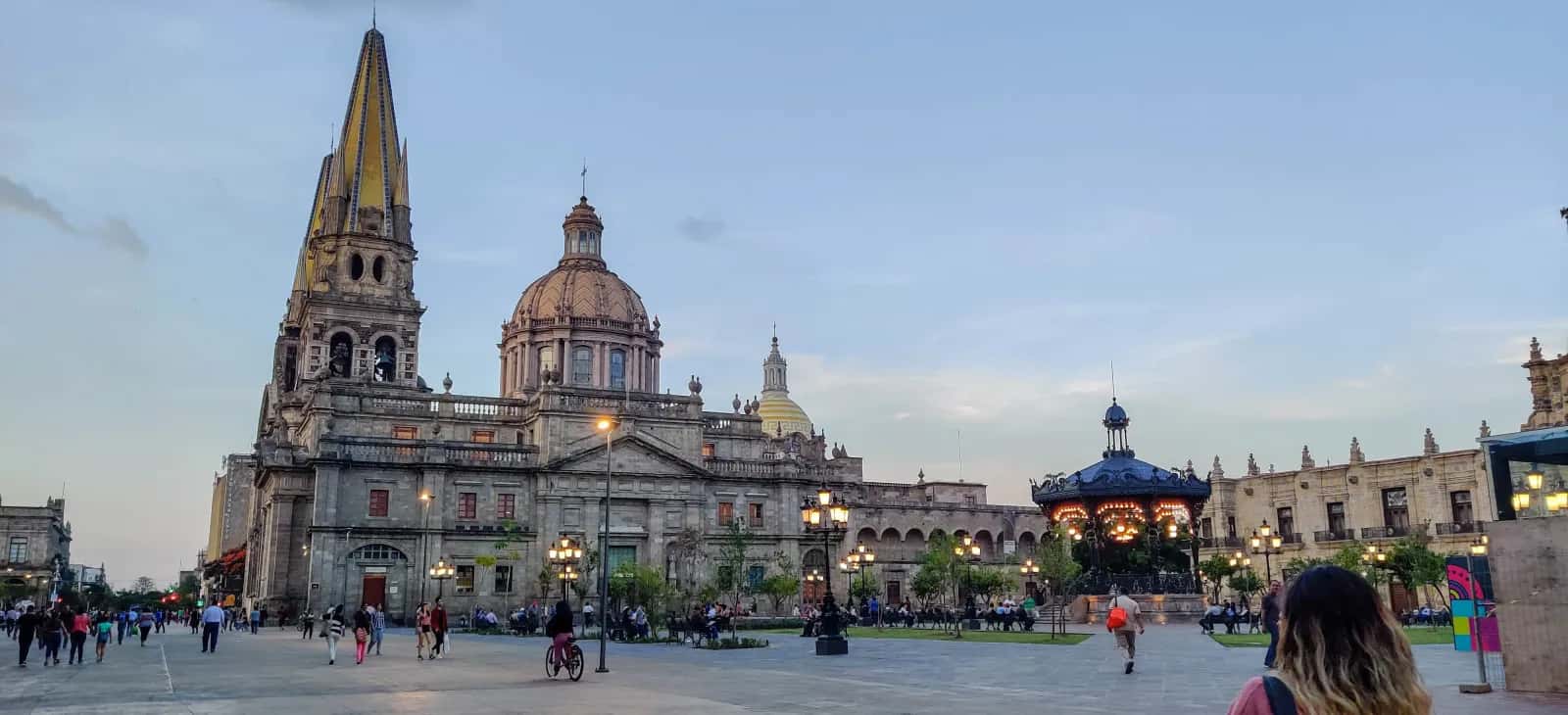
A local-first matchweek playbook for Estadio Akron: where to stay, how to move, what to eat, and how to actually enjoy Guadalajara between fixtures.
Transparency: This guide contains affiliate links. We may earn a commission if you book through them, which helps fund our independent journalism.
You feel Guadalajara before you see it. The scent of wet earth after a summer shower. Tortillas puffing on a comal. Mariachi trumpets ricocheting off colonial stone. I’ve lived here long enough to measure time by little rituals: the first rains of June, the way the city empties during a Chivas match, the exact moment a quiet dinner on Chapultepec turns into a street-wide celebration.
This Guadalajara World Cup 2026 guide is the version I’d hand my cousins from abroad: where to base yourself (and why), the fastest matchday routes to Estadio Akron, the neighborhoods that feel “right” depending on your vibe, and the small local hacks that save you time, money, and headaches.
One big truth up front: Guadalajara is not a “walk from your hotel to the stadium” host city. Estadio Akron sits out west in Zapopan. That’s not a problem—it just means your trip gets better when you choose your base with stadium logistics in mind, not just pretty photos of Centro.
For easiest matchday: Zapopan (Andares / Puerta de Hierro) or Vallarta Poniente. For nightlife: Colonia Americana + Chapultepec. For museums: Centro + Tlaquepaque.
Use Mi Movilidad transit where it fits, then rideshare strategically. The best trick is timing: arrive early, leave late, and let traffic burn off.
Compared to USA/Canada host cities, Guadalajara still feels like a deal. Your big swing costs are hotels on match weeks and rideshare surge after games.
Mexico is visa-free for many passport holders for tourism, but entry rules depend on your nationality and the length/purpose of your stay. The smartest move is to check official guidance for your passport and keep your plans simple: tourism, clear hotel/flight details, and a passport valid for your entire trip.
Guadalajara planning is a game of timing. The city is easy when you’re early and impossible when you’re late. Build your trip around two pressure points: hotel inventory (Zapopan fills first) and matchday transport (the stadium is outside the center).
Also: Guadalajara is on FIFA’s calendar before the tournament starts—FIFA announced the World Cup 2026 Play-Off Tournament will be hosted in Guadalajara and Monterrey in March 2026. Source
Book refundable rooms in Zapopan (Andares/Vallarta Poniente) first, then decide how much Centro you want. Location beats room size on match weeks.
Register for FIFA ticket updates, and decide whether you want official hospitality (less stress, more cost) or standard seats.
Tequila (the town), Tlaquepaque evenings, and weekend reservations fill up fast in summer.
Save your stadium route, choose a pickup point for rideshare, and buy a compact rain layer. If you’re in a group, pick one meetup café per neighborhood.
Guadalajara can be wildly affordable or quietly expensive—it depends on two choices: where you sleep (Zapopan matchweek prices climb) and how you move (rideshare at peak hours adds up fast).
I recommend budgeting in MXN on the ground. Your “small costs” (tacos, coffee, transit) feel light; your “big costs” (hotels, VIP packages, last-minute transport) are what bite.
Guadalajara is really a network of neighborhoods with different personalities. The mistake visitors make is picking a base that looks central on a map and then spending match week trapped in traffic. Pick your vibe first, then sanity-check stadium access.
Below is how locals explain the city to friends: where you’ll actually sleep well, where you’ll actually find good food without a 45-minute ride, and where you’ll want to be when the streets turn into one big football conversation.
Upscale, modern, efficient. Best logistics for Estadio Akron.
Practical and stadium-adjacent without being stuck in the middle of nowhere.
Trendy, loud, social. The city’s “we’re going out” zone.
Leafy, comfortable, quietly upscale.
Cathedrals, plazas, murals, history. Gorgeous by day.
Artisanal, romantic, mariachi-friendly evenings.
Residential, parks, calm streets.
Historic core of Zapopan with a more local rhythm.
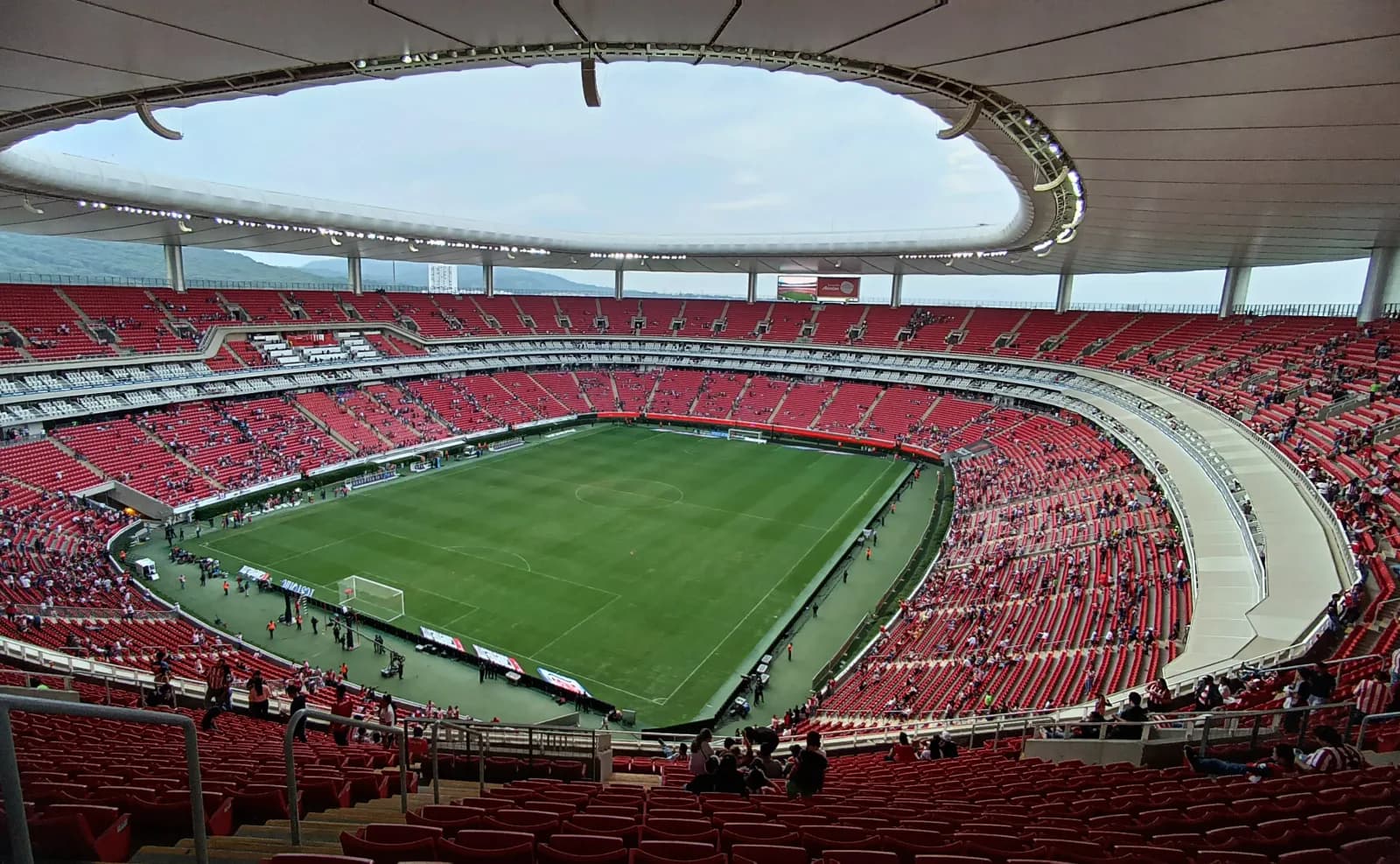
The Volcano: A modern architectural marvel integrated into the landscape.
Locals call it El Volcán for a reason. Estadio Akron is built into a grassy berm, so from the outside it looks like a landscape—like someone folded the earth and decided to host a match inside it. It’s the home of Chivas, and when the city is in football mode, you’ll hear it before you arrive.
During FIFA World Cup 2026, the venue uses the neutral name Guadalajara Stadium and hosts four Group Stage matches. Source
The stadium sits in Zapopan (west metro), so matchday planning is mostly a transport problem—not a safety problem. Solve the transport, and you’re golden.
Getting There: Mi Macro Periférico is $9.50 MXN and uses the Tarjeta Mi Movilidad. Source
Matchday in Guadalajara is equal parts football and choreography. If you try to “wing it,” you’ll spend the best hours in traffic. If you follow a simple time budget, it feels easy—and honestly, fun.
Eat a real meal early (you don’t want to be hangry in a security line), then head west before the biggest traffic wave.
Get to the stadium zone, walk a bit, and let the crowd flow guide you. Rain usually shows up later—still bring a layer.
Don’t fight the first surge. Grab a drink, take photos, and leave when the pressure drops. Your wallet will thank you.
A useful local reference point: Mi Macro Periférico matchday routing has historically used stations like Ciudad Granja, Ciudad Judicial, and Estadio Chivas as access points for event shuttles. Source
Sign up for the FIFA ticket lottery. Resale is strictly regulated.
Official resale platform is the safest option. Third-party sites carry risk.
Check StubHubGuadalajara offers diverse neighborhoods. Zapopan is upscale and close to the stadium. Centro Histórico puts you in the cultural center. Colonia Americana is the trendy choice for nightlife.
15 min drive to Stadium
30 min drive to Stadium
40 min drive to Stadium
Clean and efficient. Line 3 connects Centro to Zapopan; use it to cut across the city, then finish with a short connector (bus / rideshare) toward Estadio Akron.
This is the matchday workhorse around the Periférico. The key stop for the stadium zone is Estadio Chivas. Standard fare is $9.50 MXN. If you use a Mi Movilidad card, transfers get a 50% discount.
Miguel Hidalgo y Costilla (GDL) is the main airport. Authorized taxis and app-based rides are available to the city (typically 30-60 mins depending on traffic).
Uber & DiDi are widely available, safe, and affordable. Traffic can be intense, so allow extra time.
Pork sandwich 'drowned' in spicy salsa. The city's icon. Try it at Tortas Toño.
Slow-cooked goat or beef stew. A breakfast tradition. Best enjoyed at Las 9 Esquinas.
Meat in its own juices. Savory beef soup with bacon. Karne Garibaldi holds the speed record.
Guadalajara's attractions range from colonial masterpieces to vibrant cultural hubs.
UNESCO World Heritage site featuring murals by José Clemente Orozco.
Iconic twin towers in the heart of the Centro Histórico.
Charming colonial town within the city, famous for pottery and mariachi.
Crowds in Centro and Zapopan will be heavy. Stick to tourist areas, travel in groups, and avoid walking alone in unknown neighborhoods at night.
Guadalajara is the soul of Mexico. People are friendly and proud of their culture. Tipping is standard (10-15%).
Plaza de la Liberación is a likely spot. Expect giant screens and live music.
Lunch (Comida) is the main meal, usually between 2-4 PM. Dinner is lighter and later.
Hire a band in Plaza de los Mariachis or enjoy the music in Tlaquepaque.
Highs around 30°C (86°F). Lightweight, breathable clothing is best.
June is the start of the rainy season. Expect afternoon showers. Bring a poncho.
Sunscreen, hat, comfortable walking shoes, and a power bank.
Join thousands of fans in the heart of Mexico for an unforgettable World Cup experience.