



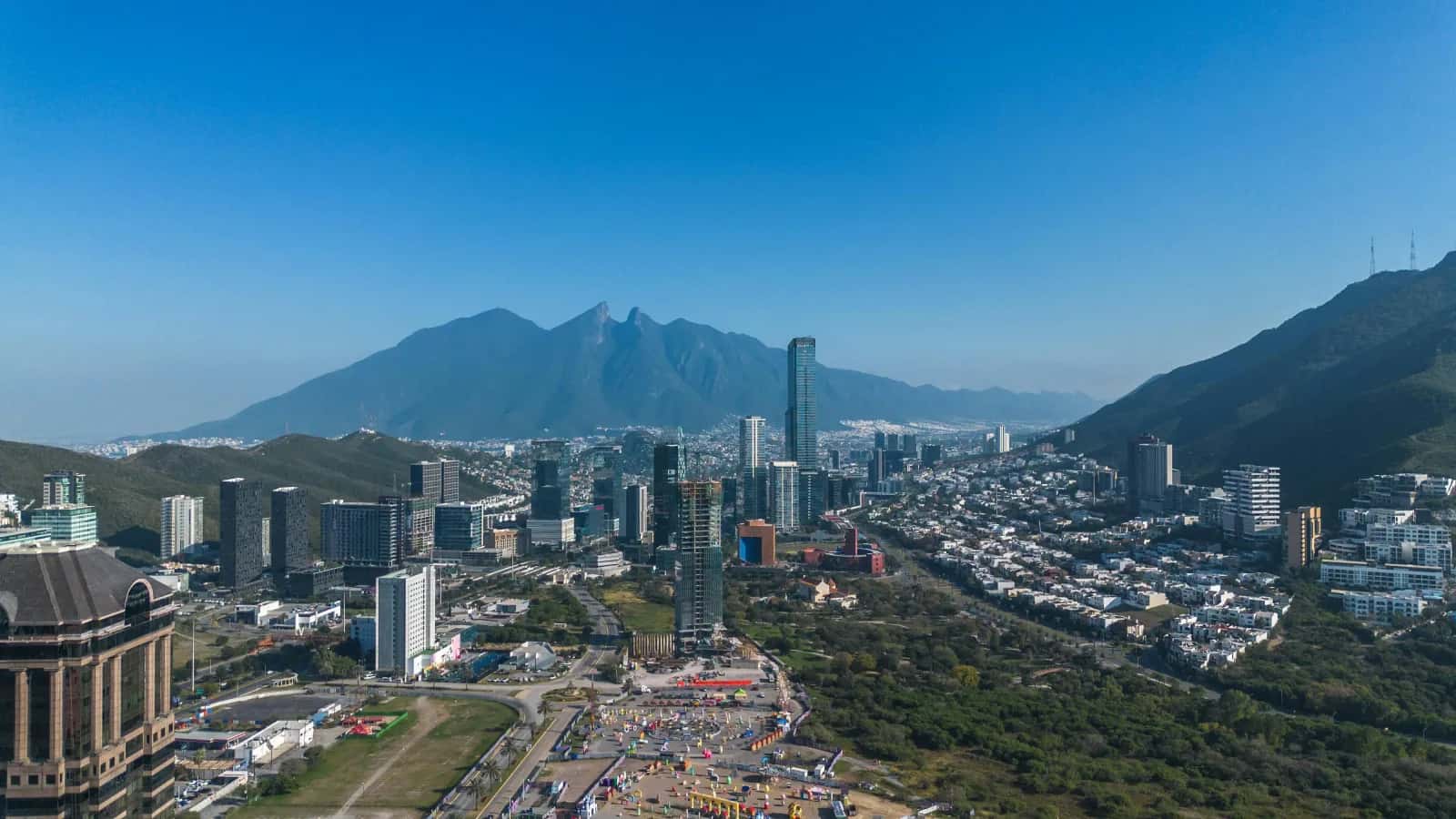
If you want the “local” version of Monterrey—fast, proud, a little blunt, and wildly underrated—this is it. Let’s get you to Estadio BBVA without losing an hour to traffic.
Transparency: This guide contains affiliate links. We may earn a commission if you book through them, which helps fund our independent journalism.
I’ve called Monterrey home for more than twenty years, and I can tell you exactly how this city works: it moves fast, it eats late, it sweats proudly, and it rewards people who plan. The payoff is huge—World Cup matches at Estadio BBVA with that Cerro de la Silla backdrop that makes your camera look like it’s lying.
This Monterrey World Cup 2026 guide is built for real travel decisions: which neighborhoods save you time on match day, where the nightlife actually is (and where it just pretends), how to use Metrorrey without confusion, and what locals do when visitors ask, “So… what should I eat first?”
San Pedro for easy mode. Centro/Barrio Antiguo for culture + nightlife. Valle Oriente splits the difference.
Build your plan around Metrorrey Line 1 (Exposición) + walking routes. Use rideshare for everything else.
Monterrey isn’t ‘cheap Mexico’—it’s a business city. You can still travel smart with tacos, metro, and the right neighborhood.
Many travelers (USA, Canada, UK, EU, Australia, and more) enter Mexico visa-free for tourism, but rules depend on your passport and your itinerary. On arrival, you’ll be processed through Mexico immigration and issued your entry record (often digital; sometimes paper depending on the airport/system that day).
Mexico Immigration (INM)Book your neighborhood first, not your hotel brand. San Pedro sells out early. Lock flights once your match city is confirmed.
Build two plans: a ‘heat day’ plan and a ‘storm day’ plan. Reserve any must-do restaurants (Monterrey takes dining seriously).
Install Urbani (for QR payments) and save your key addresses offline. Pre-book airport transfers for peak arrival days.
Monterrey is a “pick two” city: food, mountains, museums, nightlife. You can’t do everything, but you can do the best version of the trip without feeling rushed.
Prices swing hard depending on neighborhood and match week demand. Think in ranges, not absolutes—and remember Monterrey is one of Mexico’s wealthiest metros, so “cheap” isn’t the default setting.
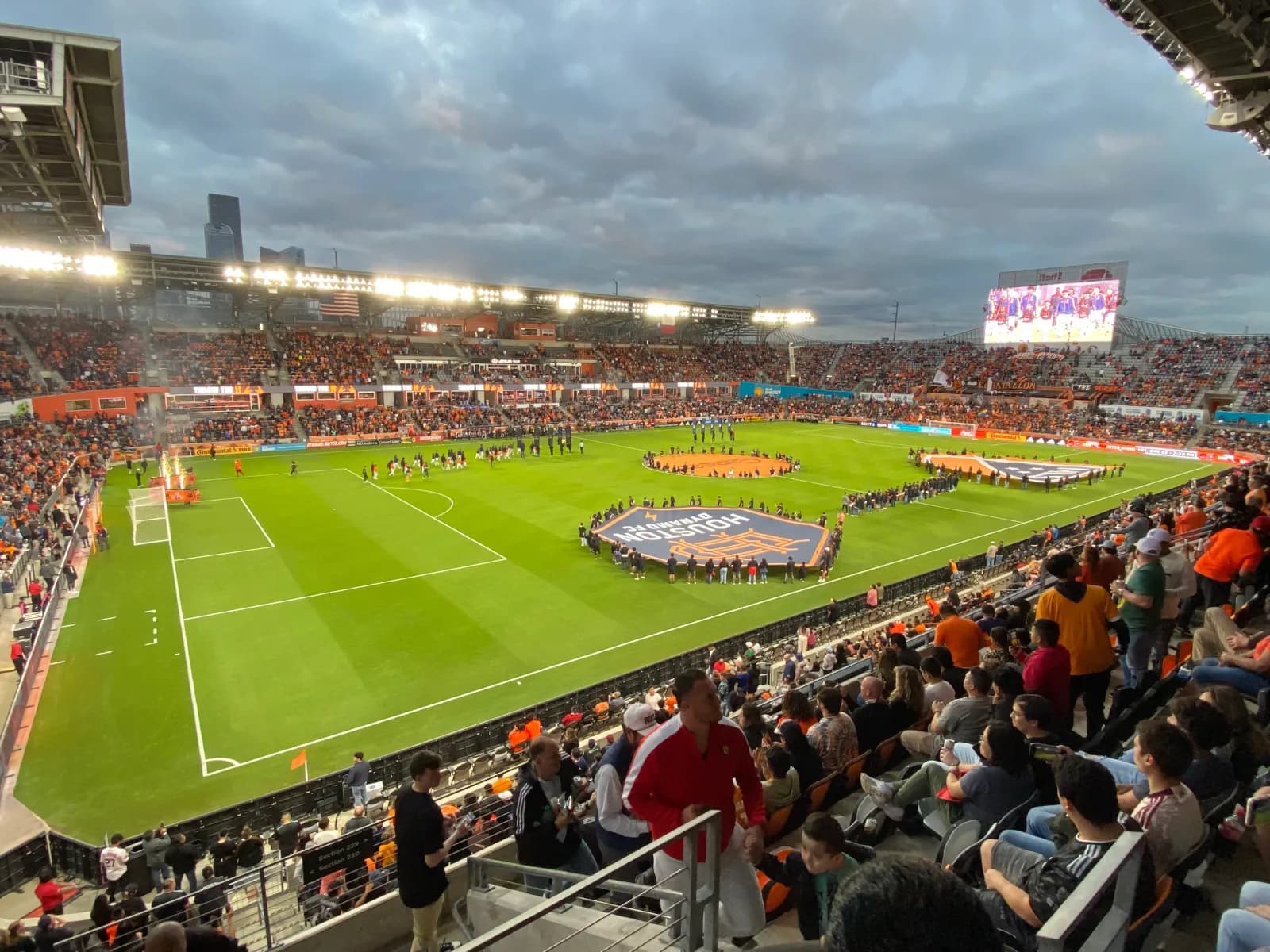
Estadio BBVA: The most photogenic stadium in the world.
Nicknamed “El Gigante de Acero”, Estadio BBVA is one of those venues that makes neutral fans feel something. You’re watching a match, then you look up and the mountain is sitting there like a stage prop. That’s Monterrey: steel-and-glass modernity, with raw nature pressed right against it.
The stadium sits in Guadalupe at Av. Pablo Livas 2011, Col. La Pastora—that’s the official address published by the club. If you’re the type who likes receipts, here’s the source straight from Rayados: rayados.com stadium location.
Getting There: Take Metrorrey Line 1 toward Exposición (Guadalupe), then follow match-day signage and pedestrian routes toward Estadio BBVA. Walking time varies with crowd control—assume roughly 10–25 minutes.
For nightlife energy, Barrio Antiguo is the classic. For a calmer start, do Fundidora + early dinner, then head out.
June/July in Monterrey is no joke. Hydrate early, wear sunscreen, and treat shade like a strategy—not a bonus.
Don’t sprint into surge pricing. Walk a bit, grab a snack, and request rides from less congested streets.
Family with kids? Your easiest win is Parque Fundidora earlier in the day, then an early move to the stadium. Nightlife crew? Do your Barrio Antiguo time on a non-match night too—Monterrey deserves more than one blurry memory.
Kickoff dates and times are set by FIFA and can shift as the tournament planning locks in. Use this guide for logistics, then confirm match details on FIFA’s official schedule once it’s published.
The safest way to buy tickets is through the official FIFA portal. Registration typically opens 12-18 months before the tournament.
FIFA Official SiteMissed the draw? Trusted resale platforms offer verified tickets. Prices will be high for this venue due to its beauty and smaller capacity.
Check StubHubMonterrey is big, spread out, and allergic to “I’ll just wing it.” Picking the wrong base can turn a simple match day into a three-ride ordeal. Pick your neighborhood like you’re picking a strategy.
For stadium logistics, pair this with the stadium page: Estadio BBVA World Cup 2026 guide.
20 min drive to Stadium
20 min drive to Stadium
30 min Metro to Stadium
25 min drive to Stadium
30 min Metro to Stadium
Clean, fast, and the closest thing Monterrey has to “easy mode.” Line 1 is your match-day friend (Exposición for the stadium side). You can pay with a Me Muevo card or QR via apps like Urbani.
MTY is modern but not close. Assume ~30–60 minutes to most hotels depending on traffic and where you’re staying. For peak World Cup arrival windows, a pre-booked transfer saves stress.
Rideshare is the default for most visitors, especially between San Pedro, Centro, Fundidora, and Valle Oriente. After matches, expect surge pricing—walk first, then request.
Yes, the legend is real. Order it with confidence. Centro has classic spots, and locals will argue about which one is “the” one.
This is a ritual, not just dinner. If you get invited to someone’s asada, bring beer and say yes. Steakhouses in San Pedro are top tier.
Breakfast that fixes a late night. Machaca con huevo and pressed chicharrón are peak Monterrey comfort food.
Monterrey is the rare big city where you can do skyline photos, museums, and a mountain viewpoint in the same day without leaving the metro area. The trick is timing: do outdoors early, then hide in A/C when the heat peaks.
The city’s favorite giant park: old steel-foundry bones turned into trails, museums, events, and lazy afternoon walks.
The riverwalk link between Fundidora and Macroplaza. It’s touristy, yes—and still genuinely relaxing at sunset.
The ‘big view’ without a big hike. Go near golden hour for the skyline glow.
Higher, cooler, greener. If you want the Monterrey mountains in one hit, this is the safe, scenic choice.
A calmer Pueblo Mágico feel south of the city. Great reset day between matches.
San Pedro Garza García, Valle Oriente, Fundidora, and the main Centro/Macroplaza corridors are where most visitors spend time without issues. The “safety secret” in Monterrey is boring: stay in busy areas, use rideshare late, and don’t wander empty blocks after midnight just because your hotel looks close on the map.
Regios (people from Monterrey) are proud, hardworking, and pretty direct. It’s not rude—it’s efficient. You’ll feel it in the way people drive, order food, and talk about their city like it’s a person they’re defending.
And yes—people say “ahorita”. It can mean “right now,” “in a bit,” or “eventually.” Context is everything. Welcome to Mexico.
Parque Fundidora, Santa Lucía, museums, and early dinners in San Pedro. Build your day around shade + A/C.
Barrio Antiguo is the headline. Start late, use rideshare home, and keep your group together after midnight.
Fundidora is the natural “big screen” magnet during major events. Expect crowds, music, and food stands.
Monterrey in June and July is hot enough to change your personality. Plan for sun, sweat, and the occasional surprise storm. If you pack for “summer” but forget the sun and the concrete heat, you’ll feel it fast.
Hot days (often mid-30s °C / mid-90s °F), bright sun, and sticky afternoons. Evenings can cool a little, and storms can roll in fast.