



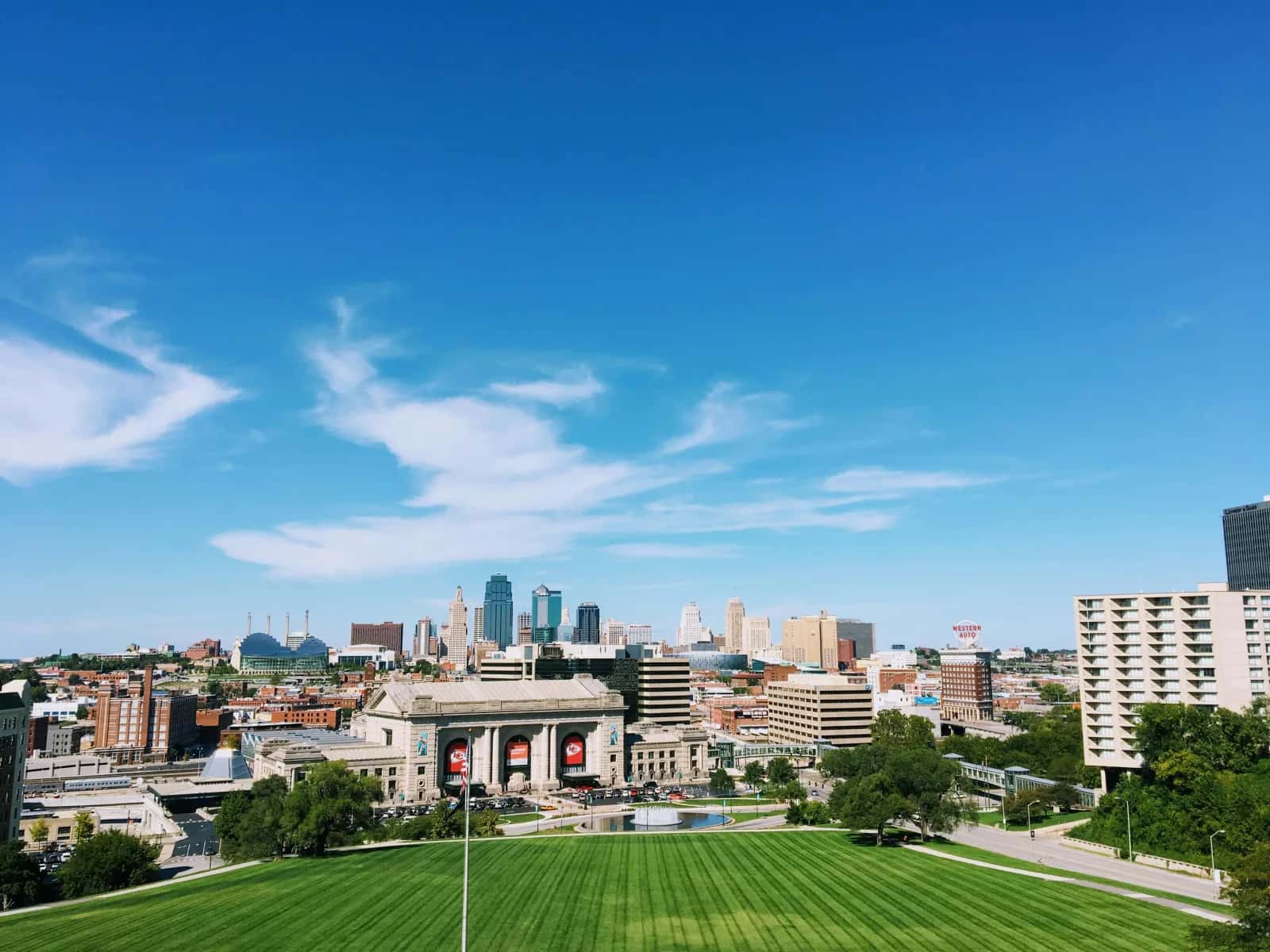
I’ve watched this city reinvent itself for two decades—streetcar, breweries, a brand-new airport terminal, and now the biggest tournament on earth. Here’s how to do Kansas City like a local and get to GEHA Field at Arrowhead Stadium without stress.
Transparency: This guide contains affiliate links. We may earn a commission if you book through them, which helps fund our independent journalism.
This Kansas City World Cup 2026 guide is written for one goal: help you spend less time stuck on I-70 and more time eating burnt ends, hearing real jazz, and actually enjoying match day. Kansas City can feel small and spread out at the same time. Downtown is walkable. The stadium area is not. Once you understand that, everything clicks.
Downtown (Power & Light / Crossroads) if you want walkability, watch parties, and easy hotel logistics.
Use the streetcar + zero-fare buses in the core, then treat the stadium like a road trip: pre-plan your ride in and out.
KC is usually better value than coastal hosts. That said: July 11 (Quarterfinal) is the rate-spike day.
Citizens of Visa Waiver Program countries can use ESTA for short stays. Others require a B-2 tourist visa. Check status as of Dec 2025 and apply early.
Check ESTA EligibilityBook flights and refundable hotels in Downtown/Crossroads. Set price alerts. If traveling multi-city, plan open-jaw tickets.
Confirm match tickets. Reserve airport transfers and key BBQ restaurants like Joe's KC and Q39.
Lock in eSIMs, clear stadium bags, and museum tickets. Re-price hotels weekly; big events often trigger cancellations.
Kansas City is one of the easier U.S. host cities to do without blowing up your bank account—especially because the streetcar is free and RideKC buses are zero fare (as of late 2025). The wildcard is simple: match demand. Group stage nights are busy. July 11 is a different planet.
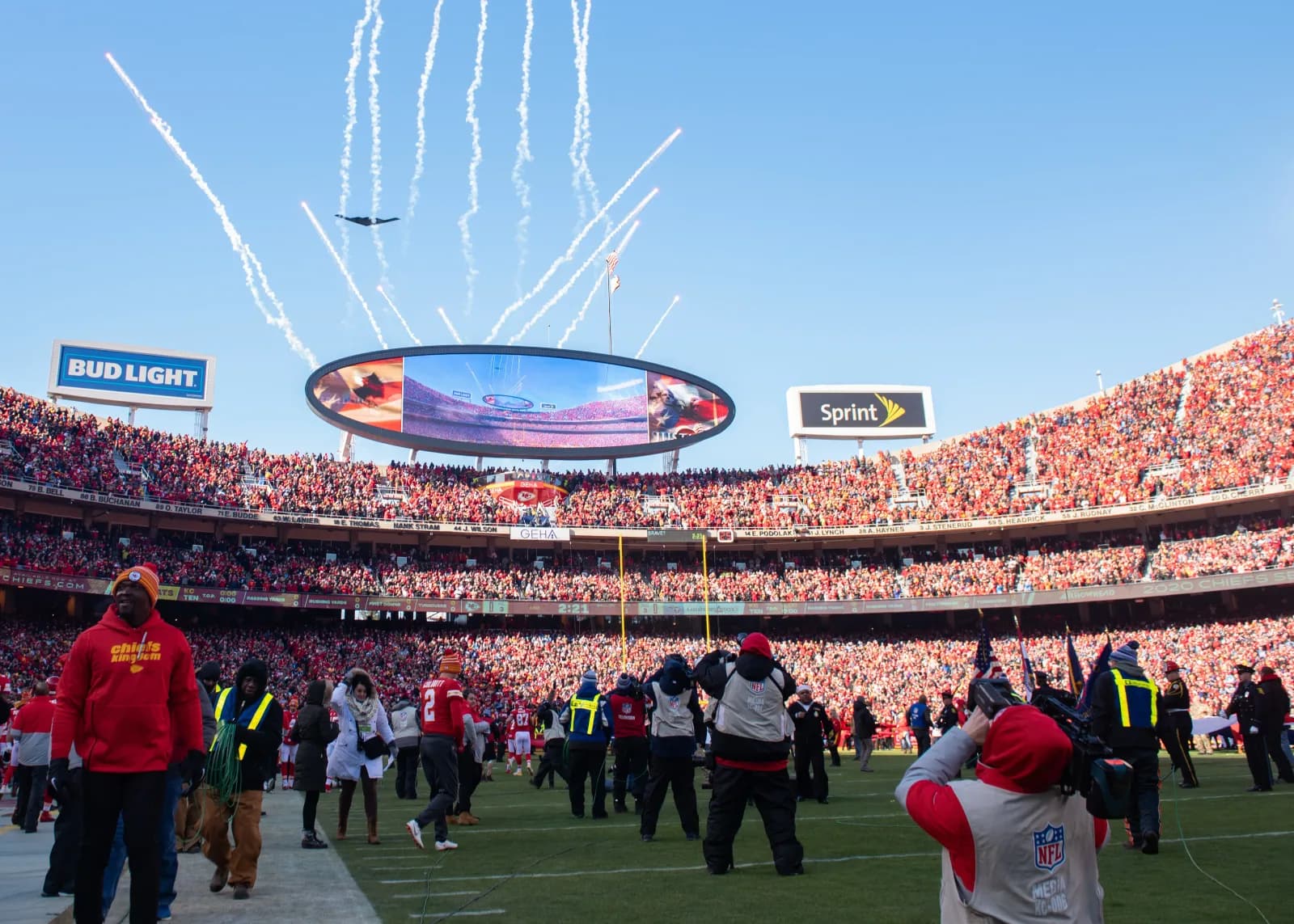
The Sea of Red at GEHA Field at Arrowhead Stadium.
Known as the loudest stadium in the world, GEHA Field at Arrowhead Stadium is a cathedral of American sports. Famous for its incredible tailgating culture and deafening atmosphere, this open-air venue offers an authentic and intense fan experience.
For parking, gate strategy, tailgating, and hotel logistics, read the venue deep-dive: Arrowhead Stadium World Cup 2026 guide.
Getting There: Arrowhead is about 9 miles (14 km) east of Downtown Kansas City. There is no direct rail service to the stadium. Plan on driving + official parking, rideshare, or tournament shuttles when announced.
Arrowhead match day is part festival, part logistics puzzle. The move is to treat it like a day trip: eat early, arrive early, and don’t plan a tight reservation right after the final whistle unless you like living dangerously.
If you want tailgating, arrive 3–4 hours early. If you don’t, still aim for 90 minutes pre-kick for security + walking time.
For Chiefs games, parking lots open about 4 hours before kickoff and parking has been sold in advance; World Cup procedures may differ—check official updates and buy early.
Don’t leave immediately unless you have to. Eat, meet friends, or wait out the surge—exiting the complex is the slowest part of the day.
Downtown’s Power & Light District has hosted major watch parties in past tournaments and is the safest bet for a big-screen atmosphere if you don’t have tickets. Go early—capacity fills fast on marquee nights.
Official KC2026 UpdatesThe safest way to buy tickets is through the official FIFA portal. If you’re planning a Kansas City trip around a single “must-see” match (especially July 11), set reminders for every sales phase and keep your passport details consistent across accounts.
FIFA Official SiteMissed the draw? Use reputable resale platforms and avoid social DMs. Kansas City’s Quarterfinal is the single biggest price driver in this city—book lodging and transport with flexible cancellation before you buy resale tickets.
Most fans should stay in Downtown (Power & Light / Crossroads / River Market) or the Plaza. Arrowhead sits inside a sea of parking lots, so “near the stadium” is great for logistics and terrible for everything else. My rule: if you’re doing one match in KC, stay Downtown. If you’re doing multiple match days or traveling with kids, mix Downtown + Plaza for variety.
Need a broader strategy? Use the World Cup 2026 accommodation guide to choose refundable bookings and avoid getting stuck in the wrong neighborhood.
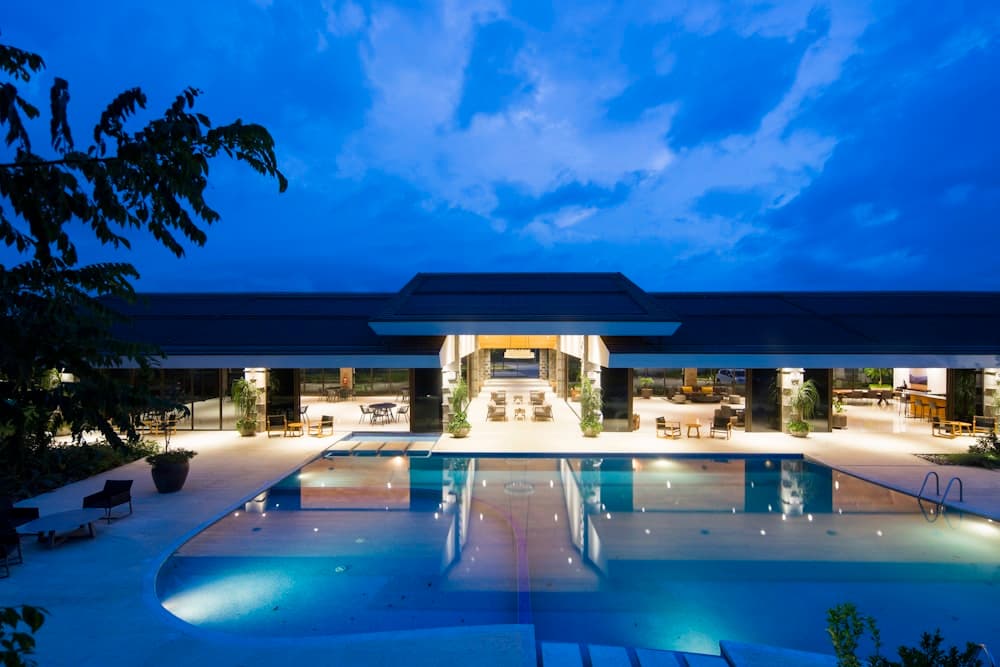
~9 mi / 14 km to Stadium
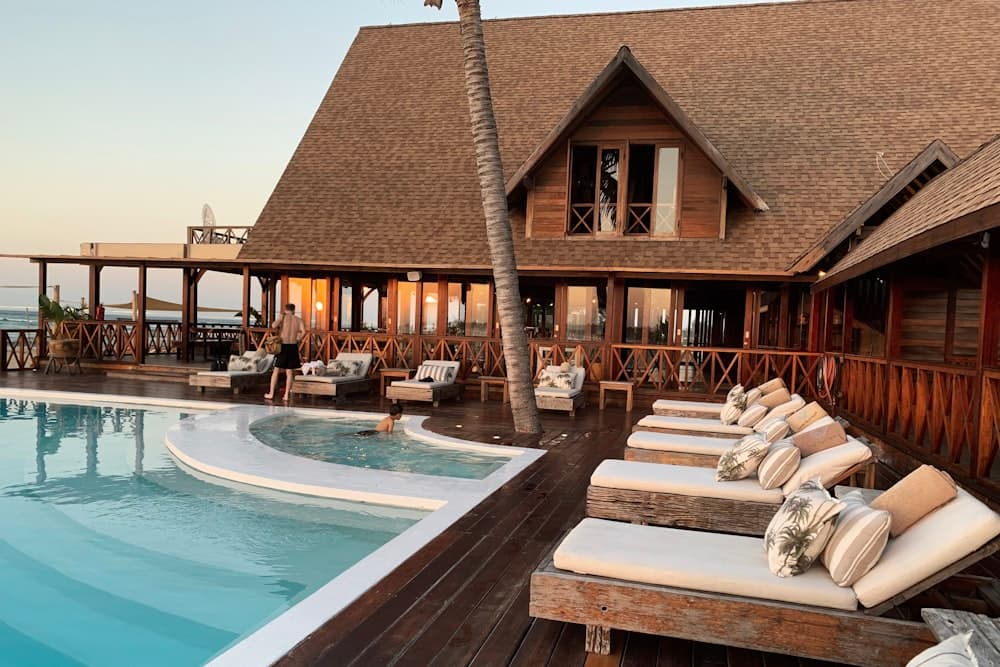
~9 mi / 14 km to Stadium
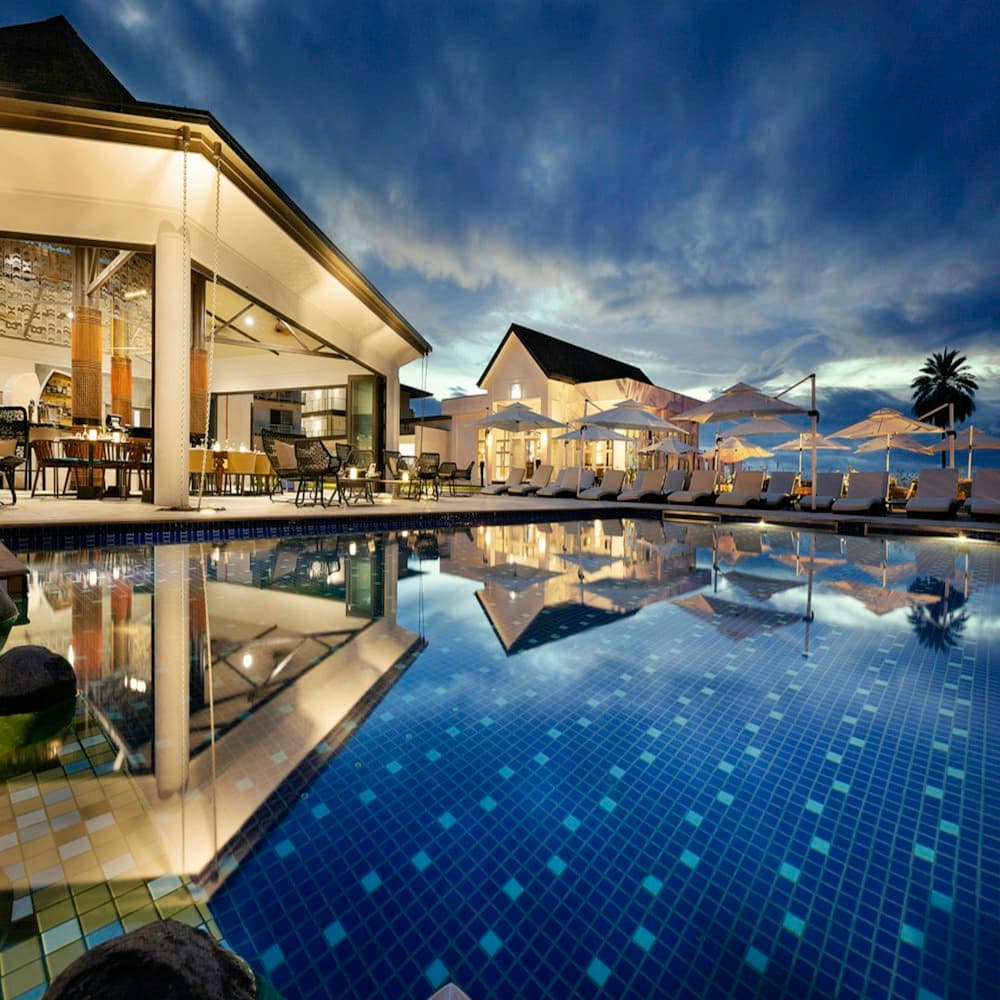
~10 mi / 16 km to Stadium
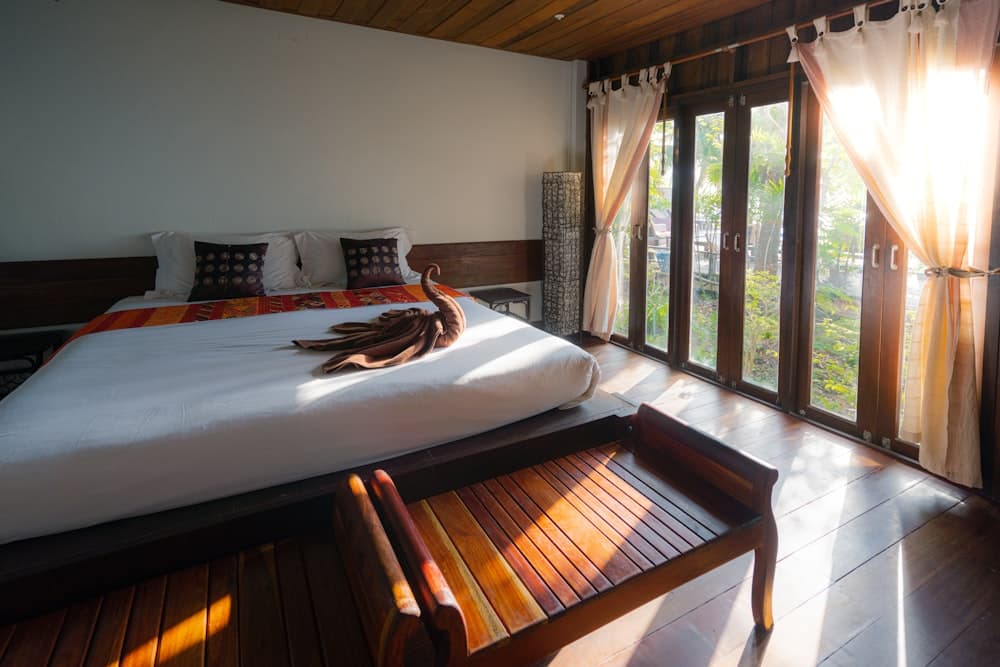
~9.5 mi / 15 km to Stadium
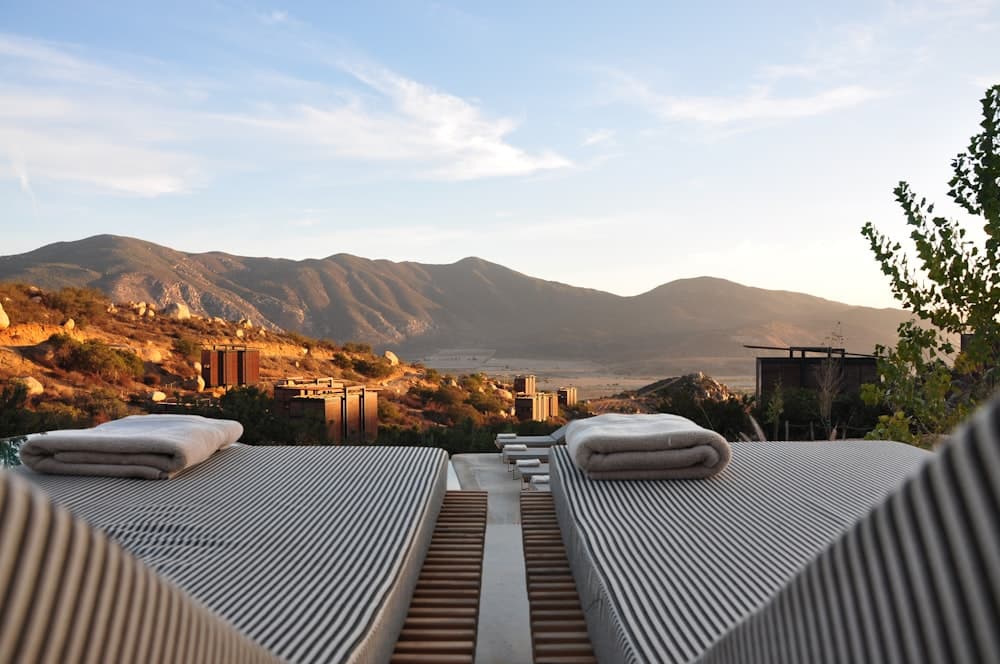
~2 mi / 3 km to Stadium
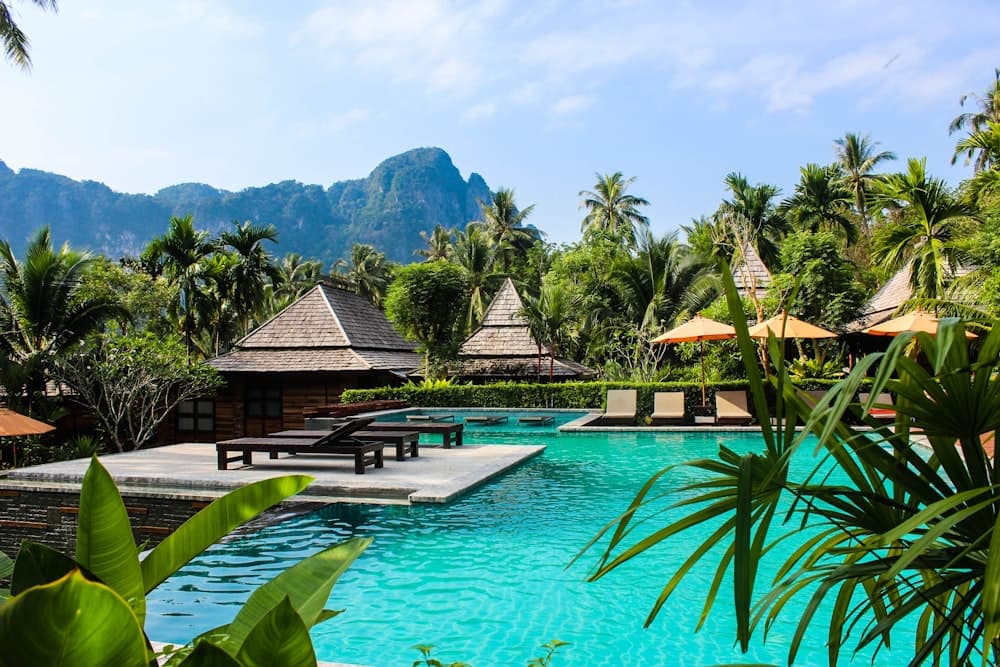
~25 mi / 40 km to Stadium
If you only remember one Kansas City travel tip, make it this: your neighborhood choice determines your whole trip. Downtown is where you’ll bump into other fans. The Plaza is where you’ll sleep like a baby. Westport is where your “one quiet drink” turns into “why is it 2 a.m.?”
I’m not going to pretend KC is a transit city. It’s a vibes city. Pick your vibe, then plan your stadium day separately.
Best for first-timers, watch parties, and late nights without a car.
Best for breweries, galleries, and that “I found a city within a city” feeling.
Best for mornings: market strolls, quick eats, and a calmer downtown stay.
Best for upscale, scenic, and family-friendly Kansas City.
Best for nightlife and bar-hopping (and yes, it gets rowdy).
Best for history, museums, and KC’s musical backbone.
Best for neighborhood calm, parks, and local everyday life.
Best for value hotels and quick highway access.
Best for big rooms, families, and road-trip convenience.
Best for matchday simplicity, worst for everything else.
The KC Streetcar is free and runs through the heart of the city, from UMKC up through Midtown/Downtown to the River Market. It’s your best “tourist superpower” for bouncing between hotels, coffee, bars, and museums—just remember it does NOT go to Arrowhead.
Service is frequent (often every 10–15 minutes). Late-night hours are decent on weekends, which matters when you’re coming back from a watch party.
Here’s a Kansas City advantage most out-of-town guides miss: RideKC bus routes are zero fare (as of late 2025). It’s not glamorous, but it can save you real money on a multi-match week.
Kansas City International (MCI) has a modern single terminal. Fastest options are rideshare or a rental car, but there’s also a RideKC airport bus (Route 229) that runs between KCI and Downtown’s East Village area.
Local hack: if you land during surge pricing, grab coffee in the terminal, let the surge cool off, then go. Your wallet will thank you.
Driving is common here. If you drive to the stadium, expect a long, slow funnel and buy official parking early when it becomes available. Rideshare works, but post-match surges are real—plan a “cool-down” activity (food, a drink, a walk) before you request a car.
World-famous BBQ in a gas station. The Z-Man sandwich is legendary. Expect a line, but it moves fast.
Competition-style BBQ in a rustic-chic setting. The burnt end burger and brisket are must-try items.
The 'King of Ribs'. Historic spot near the 18th & Vine Jazz District. Authentic and gritty.
Beyond BBQ, Kansas City is known for its jazz heritage, fountains, and world-class museums.
The only American museum dedicated solely to World War I. Stunning views from the tower.
Renowned for its neoclassical architecture and extensive collection of Asian art. Free admission.
A profound look at the history of African American baseball. Located in the historic 18th & Vine district.
Kansas City rewards a little pacing. If you sprint from BBQ to brewery to stadium, you’ll miss the good parts—the little pocket parks, the live music drifting out of a doorway, the way people will genuinely stop and help you if you look lost.
Here are two itineraries I give friends who are visiting for a big game.
Check in Downtown or Crossroads. Ride the free streetcar up to River Market, grab a low-pressure meal, and end the night with jazz (you’ll sleep better than you think).
Do the National WWI Museum in the afternoon (it’s powerful). Dinner is BBQ—order burnt ends if you’ve never had them. Then: hydrate and get an early night. Yes, I’m your mom now.
Leave your hotel earlier than you think you need to. Arrive 3–4 hours before kickoff if you want tailgating; if not, aim for 90 minutes pre-kick to get through security, find your seat, and breathe.
Walk the City Market area, ride the streetcar end-to-end, and pick two spots you’ll return to. You’ll feel “local” faster.
Spend the day around the Nelson-Atkins, then go back Downtown for dinner. Crossroads is your best bet for a night out that isn’t chaotic.
Do the stadium, then don’t fight traffic immediately. Eat, decompress, and let the crowds drain.
Sleep in. Wander the Plaza. If you’re traveling with kids, this is your recharge day—less walking, more shade, more predictable meals.
Pick the thing you loved most and repeat it. That’s the KC trick: come back to a favorite, don’t chase a checklist.
Kansas City’s main visitor zones—Downtown, Crossroads, River Market, and the Plaza—are generally comfortable for tourists, especially when areas are busy. The risk shows up when you’re alone on empty blocks late at night, or when you’re distracted in crowds (phone out, bag open, not paying attention).
If you’re new to KC, don’t “explore randomly” far east of Downtown at night. Plan your stops, use rideshare after midnight, and stick to well-lit corridors.
Use the World Cup 2026 safety guide for general crowd, transport, and nightlife precautions across host cities.
Kansas City runs on friendly small talk, sports loyalty, and food opinions delivered like family advice. People will hold doors, apologize when you bump into them, and ask where you’re from—then actually listen. Tip like you mean it (18–22% at full-service spots is normal), and treat BBQ debates as a local handshake.
KCMO = Kansas City, Missouri. KCK = Kansas City, Kansas. “The Plaza” means Country Club Plaza. “Downtown” usually means the Loop + Power & Light. “Northland” is north of the river.
Order burnt ends at least once. Don’t drown everything in sauce on the first bite—taste the smoke, then sauce. Counter-service is normal, and messy is expected.
18th & Vine is the historic spine. Crossroads is the late-night groove. And yes—people talk about Arrowhead like it’s a living thing.
Expect heat and humidity. Typical June highs are in the mid-80s°F (around 29°C) and July often reaches the upper-80s°F (around 31°C). Thunderstorms can roll in fast, and Arrowhead is open-air.